How to Choose the Best Gym Flooring Mats for Your Workout Space?
Choosing the right gym flooring mats is crucial for any workout area. According to industry expert John Whitaker, “The right mats can transform your exercise experience.” With a variety of options on the market, making an informed choice becomes essential.
Consider the purpose of your space. Are you doing high-impact workouts or gentle yoga? Each activity requires different features in gym flooring mats. Think about durability too. Some materials wear out quickly under heavy use, leading to costly replacements.
Furthermore, aesthetics matter. Your workout space should inspire you, not bore you. The flooring color and texture can affect your motivation. Overall, while selecting gym flooring mats, it’s important to balance functionality and style. Reflect on your unique needs to create an optimal workout environment.
Factors to Consider When Choosing Gym Flooring Mats
Choosing gym flooring mats requires careful consideration of several factors. Think about the space you have. The size and layout of your workout area significantly influence your choice. If you have a small area, thinner mats may work, while larger spaces can accommodate thicker options. Measure your space before making a decision.
The type of exercise matters too. Do you focus on weightlifting, yoga, or high-intensity workouts? Different activities may require different types of mats. For heavy weights, choose durable mats that can withstand impact. For yoga, go for softer mats that provide cushioning.
**Tip:** Consider texture. A non-slip surface is critical for safety during workouts. Look for mats that offer good grip, especially if you're sweating.
Another factor is maintenance. Some mats are easier to clean than others. Think about how often you’ll clean your mats. If you train daily, opt for low-maintenance varieties.
**Tip:** Pay attention to aesthetics. The right color and style can make your gym more inviting. Create a space that motivates you to exercise consistently.
Evaluate all these aspects carefully. Take your time to invest in the right mats for your needs. Each factor plays a role in ensuring you get the best workout experience possible while reflecting on what truly fits your space.
Factors to Consider When Choosing Gym Flooring Mats
Types of Gym Flooring Mats and Their Applications
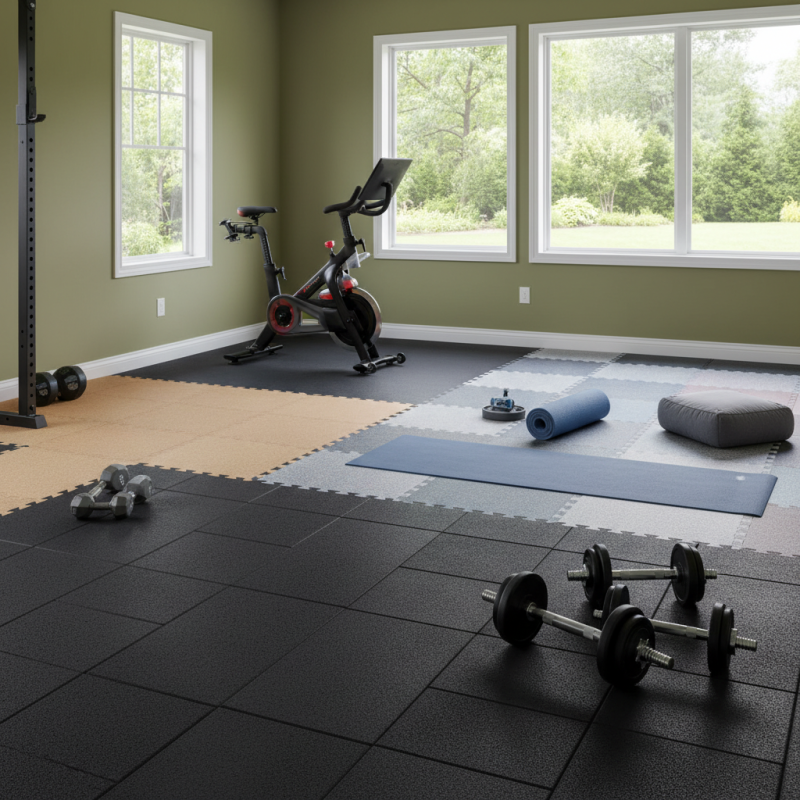
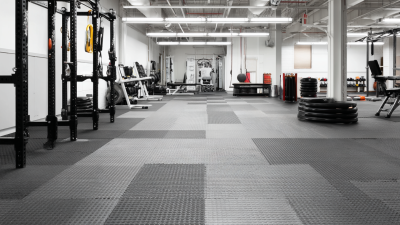
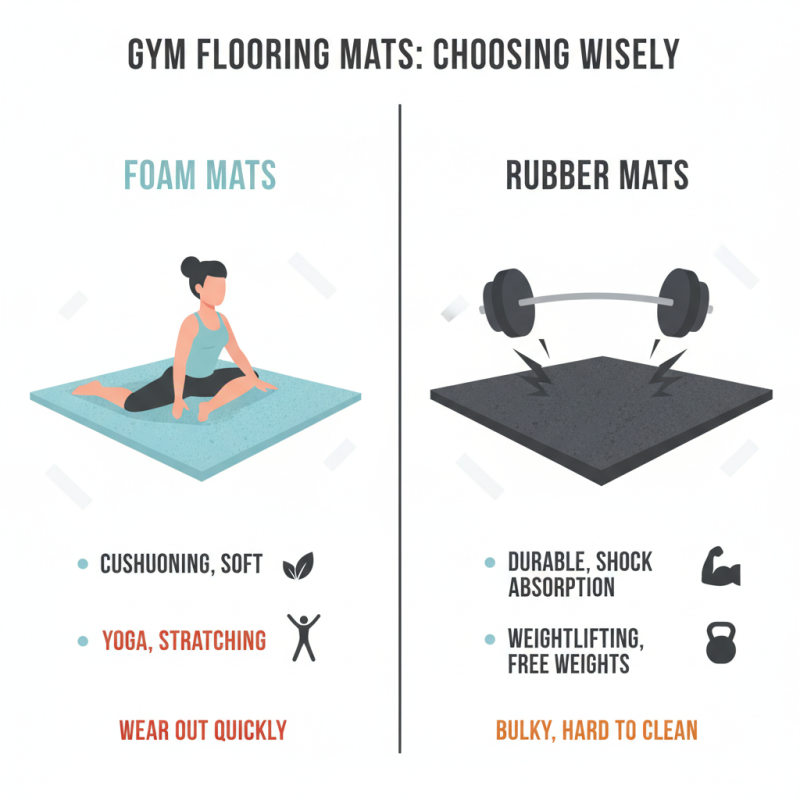
When it comes to gym flooring mats, various types serve distinct purposes. Foam mats are popular for yoga and stretching. They provide cushioning and are soft underfoot. However, they can wear out quickly. Rubber mats, on the other hand, are durable and perfect for heavy weightlifting. They absorb shock well, but they can be bulky and hard to clean.
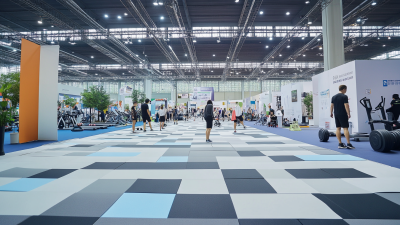
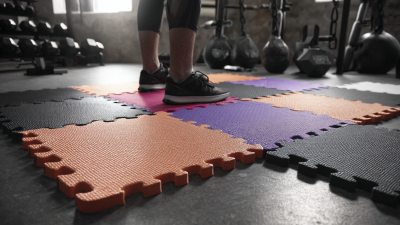
Interlocking tiles offer versatility for both cardio and strength areas. You can easily customize the layout. The downside? They may shift or separate with heavy use. Carpet tiles provide comfort and warmth for bodyweight exercises. They are also relatively inexpensive, but they can trap sweat and odors.
Considering the right material is essential. Think about the activities you enjoy most. Reflect on your workout space’s size and style. Understanding these factors can lead to a more functional and inviting gym environment, though it might take time to see what works best. Don't rush the decision; testing different types may yield surprising results.
Understanding Material Options for Durability and Comfort
Choosing the right gym flooring mats is crucial for comfort and safety. Various materials are available, each offering distinct advantages.
Rubber mats are popular for their durability and shock absorption. They provide excellent grip and withstand heavy weights. However, the smell of rubber can be strong, and that could be a downside for some users.
Foam mats are another option. They are lightweight and easy to install. Foam provides a softer surface, which is great for activities like yoga or pilates. But, they might not hold up under heavy equipment. If you have a complete home gym, you may want something more robust.
Some users might overlook hardwood or laminate alternatives for aesthetic appeal. While they look great, they don’t provide the same slip resistance as rubber. Additionally, ensure any material you choose is easy to clean and maintain. A clean space can improve your workout experience. The decision will depend on your specific needs and preferences. Remember to weigh the pros and cons carefully.
Sizing and Thickness: Finding the Right Fit for Your Space
Choosing the right gym flooring mats for your workout space is crucial. Sizing and thickness are key factors. The thickness of mats can range from one-quarter inch to over an inch. Industry studies indicate that thicker mats provide better shock absorption. This can reduce injuries during high-impact workouts. Fitness professionals recommend at least one-half inch thick mats for weightlifting areas.
When selecting the right size, consider your space. Many home gyms are limited in size. A mat that is too large can make a space feel cramped. On the other hand, a mat that is too small may not provide adequate coverage. According to the International Association of Fitness Professionals, a workout area should allow for a minimum of six feet in diameter for mobility.
Mats should fit the activities planned. For yoga or Pilates, thinner mats may suffice. However, for CrossFit or heavy lifting, thicker mats are advisable. Be aware that many users report dissatisfaction with mats not meeting their expectations. Checking reviews and understanding your workout habits can lead to better choices. Reflect on your needs before purchasing.
Maintenance Tips for Lasting Performance of Gym Mats
Choosing the right gym mats is crucial for your workout space. However, it’s equally important to maintain them properly. Regular maintenance ensures longevity and performance. Start by cleaning mats weekly with mild soap and warm water. This keeps dirt and sweat at bay. Neglect can lead to odors and bacteria growth.
Inspect your mats for signs of wear and tear. A small tear can quickly become a bigger issue. Addressing these problems early helps prevent larger damages. Rotating the mats occasionally can also help spread out the use. It’s a simple step but often overlooked.
Lastly, avoid harsh chemicals when cleaning. They can degrade the mat material over time. Storing your mats in a dry area will help them last longer. Humidity is their enemy. With regular care, your gym mats will perform well for years.
How to Choose the Best Gym Flooring Mats for Your Workout Space? - Maintenance Tips for Lasting Performance of Gym Mats
| Flooring Mat Type |
Material |
Thickness (inches) |
Best Use |
Maintenance Tips |
| Rubber Mats |
Natural/Synthetic Rubber |
0.5 - 1 |
Weightlifting, Cardio |
Regularly clean with mild soap and water. |
| Foam Mats |
EVA Foam |
0.25 - 0.5 |
Yoga, Pilates, Stretching |
Wipe clean with a damp cloth and gentle cleaner. |
| Carpet Tiles |
Nylon/Polyester |
0.5 |
Aerobics, Group Classes |
Vacuum regularly and spot clean as needed. |
| Vinyl Mats |
PVC |
0.25 - 0.5 |
General Workout Areas |
Mop with a gentle cleaner and avoid abrasive tools. |