20+ years of production experience
Leave Your Message

What Is an ABC Play Mat and Why Do Buyers Need One?

An Abc Play Mat is more than a colorful floor covering. It creates a defined space where young children can crawl, sit, play, and explore letters. Many designs combine alphabet graphics with soft, wipe-clean surfaces. This makes everyday learning feel natural rather than forced.

For buyers, the main value is practical. A good mat cushions play on hard floors and gives children a warmer, more comfortable area. It can also help parents organize toys within one visible zone. Look closely at thickness, surface texture, edge design, and cleaning instructions. Materials should be clearly identified, with reliable safety information from the manufacturer. A strong product should not have a sharp odor, loose pieces, or easily peeling prints.

Details matter. A mat that slides during crawling may create frustration and unnecessary risk. A surface that traps crumbs can quickly become unpleasant. Buyers should match the mat’s size with the room, storage space, and child’s age. Some children enjoy bold letters, while others become distracted by busy patterns. Personal experience often reveals this difference. What looks educational online may feel overwhelming at home.

An Abc Play Mat is not a complete learning system. It cannot replace conversation, books, or active supervision. Still, it can support playful letter recognition through repeated exposure. The best choice balances comfort, durability, easy maintenance, and trustworthy product information. Buyers should remain curious, because attractive design alone does not prove quality.
What Is an ABC Play Mat and Why Do Buyers Need One?

What Is an ABC Play Mat?

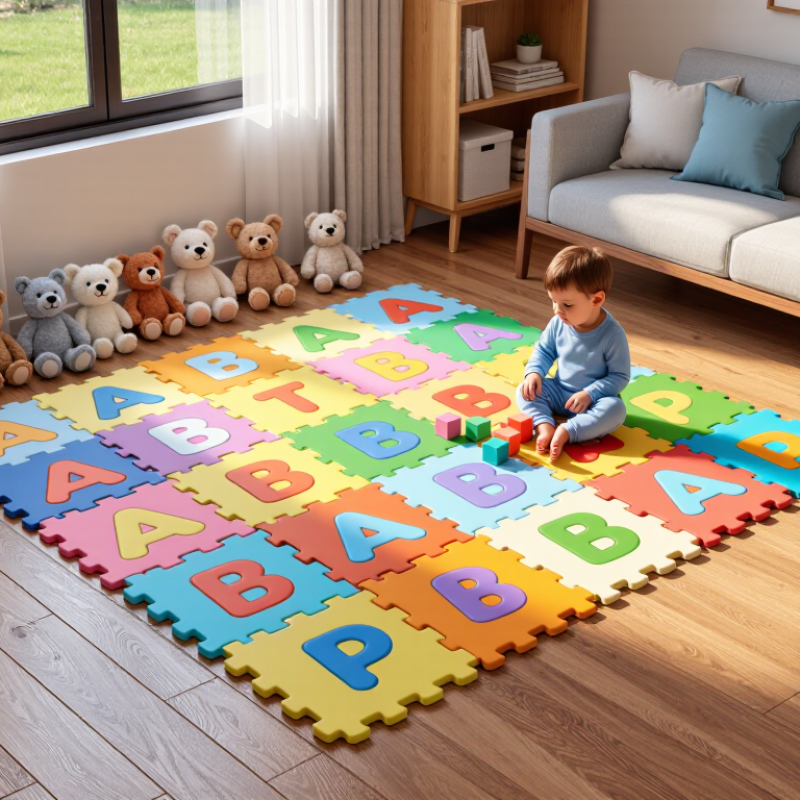
An ABC play mat is a soft floor surface printed with letters, pictures, or simple words. Children can sit, crawl, and play on it while seeing language symbols during everyday activities. Most mats use foam, fabric, or layered plastic materials. Each option feels different under small hands and knees.

In my experience, the best value comes from regular interaction, not decoration. A child may trace the letter A with a finger, place toy animals beside matching pictures, or name objects during play. These small moments make the alphabet more familiar. The mat also creates a cleaner, softer area for floor activities. It does not replace reading, conversation, or adult guidance. That part is easy to forget.

Buyers should inspect the surface, seams, edges, and printed details before choosing one. A mat should lie flat and resist slipping on the intended floor. Its material should feel comfortable and be easy to clean after spills.

Check the manufacturer’s age guidance and care instructions carefully. Some foam pieces can separate, and loose parts may not suit very young children. I once underestimated storage space; a large mat can be useful, but awkward to fold and move.

A smaller design may work better in a busy room. Clear letters help, although overly bright patterns can distract from the learning activity.

How ABC Play Mats Support Early Learning

An ABC play mat is a soft floor surface printed with letters, pictures, or simple words. Its main value is not decoration. It creates a safe, visible space where young children can connect symbols with sounds, objects, and movement. A child may step on “B,” say “ball,” and trace its shape with a finger. These small actions make early learning physical and memorable. A mat is not a teacher.

Caregivers can use short games to build letter familiarity without turning play into a test. Ask, “Can you find M?” Then offer a clue, such as “M begins moon.” Encourage the child to hop, point, or place a toy on the matching square. Repetition supports recognition, while conversation develops vocabulary and listening skills. Some children respond better to movement than worksheets. That difference matters. Early-childhood guidance commonly emphasizes playful, responsive interaction because children learn through active participation and warm feedback.

The mat can also support balance, coordination, and shared attention. Choose thick, non-slip material with clear printing, rounded edges, and easy-clean surfaces. Check it regularly for peeling pieces or curled corners. I would not expect instant reading progress. Children develop unevenly, and a colorful mat cannot replace books, outdoor play, or attentive adults. It can, however, turn a few quiet minutes into useful practice. Keep activities brief, follow the child’s interest, and adjust the game when it stops feeling enjoyable.

What Is an ABC Play Mat and Why Do Buyers Need One?

How ABC Play Mats Support Early Learning

Learning or Buyer Dimension What an ABC Play Mat Provides Early-Learning Connection What Buyers Should Check
Alphabet recognition Large printed letters arranged across a floor-level play surface. Repeated exposure can help children notice letter shapes and begin associating symbols with letter names. Look for clear, high-contrast letters that are easy to identify from a child’s viewing position.
Early phonics A visual prompt for talking about letter sounds and familiar words. Adults can connect a letter with its sound through simple games, songs, and picture-based prompts. Treat the mat as a conversation tool; it should not be expected to teach reading independently.
Vocabulary development A shared surface for naming letters, objects, colors, and actions. Open-ended interaction gives adults opportunities to ask questions and introduce new words. Choose designs with uncluttered visuals so children can focus on one item at a time.
Fine-motor practice A defined area for pointing, placing cards, tracing letters, or moving small learning objects. These actions support hand control and eye-hand coordination when activities are age-appropriate. Check that the surface is stable and avoid loose small pieces around children who still mouth objects.
Gross-motor movement A floor space where children can crawl, reach, squat, step, or move between letters. Movement-based games can combine physical activity with listening, matching, and recall. Select a mat large enough for the intended activity and place it on a level, non-slip surface.
Color and shape awareness Visual patterns, colored letter tiles, and sometimes basic shapes or numbers. Sorting and matching games encourage children to compare visual features and describe differences. Avoid overly complex patterns that make letters difficult to distinguish.
Social and language play A shared play zone for turn-taking, following directions, and cooperative games. Guided play can support communication, attention, and early rule-following. Consider the available floor space and whether more than one child can use it comfortably.
Comfort and floor protection A cushioned layer that creates a more comfortable play area than a bare hard floor. Comfort can make floor-based exploration and caregiver-child interaction easier to sustain. Review thickness, cushioning, edge design, and suitability for the intended floor type.
Hygiene and maintenance A surface that can be cleaned after snacks, spills, and everyday play. A clean, well-maintained play area supports regular use in homes, classrooms, and childcare settings. Check whether the material is wipe-clean, water-resistant, and compatible with the care instructions.
Safety and durability A reusable play surface designed for repeated floor use. A stable and intact mat allows children to focus on play without avoidable slipping or damaged-surface hazards. Verify applicable toy-safety compliance, inspect for peeling or detachable parts, and follow age guidance.
Portability and storage Many designs can be folded, rolled, or separated into sections for storage. Easy setup encourages adults to use the mat for short, frequent learning activities. Compare folded dimensions, weight, storage method, and whether pieces stay securely connected.
Best use with adult interaction A flexible prompt for songs, matching, movement, storytelling, and question-and-answer games. Children generally gain more from responsive interaction than from simply looking at printed letters. Prioritize a design that supports multiple activities rather than a single fixed learning routine.

Note: An ABC play mat is an educational play aid, not a substitute for adult supervision, reading activities, or structured early-childhood education.

Key Features and Materials to Examine

An ABC play mat is a soft floor surface designed for babies and young children. It usually supports early play, crawling, and simple letter recognition.

The letters are helpful, but safety and construction deserve more attention. A colorful print cannot compensate for weak materials or poor grip.

Check the material carefully. EVA foam is light, water-resistant, and easy to wipe, while XPE foam often feels denser and more cushioned.

Ask whether the foam has been tested for harmful substances, rather than trusting vague “safe” wording. A new mat may have an odor. Let it air out before use.

The surface should feel smooth, but not slippery. Textured finishes can reduce sliding, though deep grooves collect crumbs and dust.

Thickness matters, but thicker is not always safer. A very soft mat may shift under a crawling child.

Look for stable edges, tight-fitting tiles, and a backing that grips clean flooring. Large pieces create fewer gaps and reduce cleaning time.

Measure the play area before ordering. Waterproof surfaces are practical after spills, yet liquid can still enter seams. Clean those areas regularly.

I once focused too much on colorful letters and overlooked a curling edge. That small flaw created a tripping risk. Inspect the mat often, especially after moving furniture.

No play mat removes every fall hazard, so adult supervision and a clear surrounding space remain necessary.

How to Choose the Right ABC Play Mat

An ABC play mat combines alphabet learning with a soft space for crawling, sitting, and early play. Choosing the right ABC play mat requires more than attractive letters and bright colors. Consider the child’s age, movement, and daily routine before buying. Pretty colors are not enough.

Measure the available floor area first. A mat should leave enough space for rolling without blocking doors or furniture. Thick foam can cushion small falls, but excessive softness may make standing difficult for toddlers. Choose a stable surface with textured backing, especially on smooth floors. Check the edges carefully. They should lie flat and resist curling.

Material quality matters during everyday use. Look for non-toxic material details, clear cleaning instructions, and safety testing information from reliable sources. Avoid mats with strong chemical odors that remain after airing. Waterproof surfaces are practical when milk, paint, or snack crumbs appear. They are not always stain-proof, though. Wipe spills quickly and inspect seams regularly.

I once chose a mat mainly for its large alphabet tiles. It looked useful, but the loose pieces became annoying during cleanup. A one-piece design may suit busy homes better. However, removable tiles can support matching games and letter practice. Compare both options honestly. Also check whether the letters are large enough for small hands and whether the printed surface stays readable after repeated cleaning. A good mat should support play, not create another daily chore.

Safe and Effective Ways to Use an ABC Play Mat

An ABC play mat is a cushioned learning surface printed with letters, pictures, or simple words. It gives babies and young children a softer place to crawl, sit, and play. Safe use starts with the floor. Place the mat on a clean, flat, dry surface away from stairs, heaters, sharp furniture, and loose cords. Check each tile before use. Look for lifted edges, cracks, peeling surfaces, or small detachable pieces. Replace damaged sections promptly.

Keep an adult nearby during play, especially when children are learning to crawl or stand. The mat can reduce contact with a hard floor, but it cannot prevent every fall. Never use it as a sleeping surface, and keep pillows, blankets, and small toys outside the play area. Remove the mat during vigorous running if the pieces slide apart. That detail is easy to overlook. I would also test the surface with a gentle hand push before each session. A slippery mat can create an unexpected risk.

Clean spills quickly with mild soap and water, then dry every section completely. Avoid harsh chemicals unless the care instructions specifically permit them. Food crumbs can collect beneath connected tiles, so lift and inspect the mat regularly. Use letter cards, sound games, and supervised tracing activities to support early learning. Avoid forcing lessons when a child seems tired. Play should feel engaging, not like a test. Check the manufacturer’s age guidance, material information, and cleaning instructions before regular use.

What Is an ABC Play Mat and Why Do Buyers Need One?

Safe and effective use of an ABC play mat can encourage active floor play while giving children a comfortable space for early learning activities. The chart compares global physical-activity guidance relevant to play-mat use.

How to use this information: Children ages 3–4 are encouraged to complete at least 180 minutes of physical activity across the day, including at least 60 minutes of moderate-to-vigorous activity. For ages 5–17, the recommendation is at least 60 minutes of moderate-to-vigorous physical activity daily. Use the mat on a flat, clean surface and supervise children during play.

Source: World Health Organization, Guidelines on Physical Activity and Sedentary Behaviour, 2020.