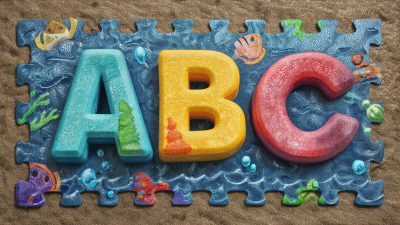
What is Abc Puzzle Mat and How Does It Benefit Early Learning?
The Abc Puzzle Mat is more than just a play surface. It serves as a vital educational tool for early childhood learning. According to the National Association for the Education of Young Children, preschool learning environments significantly impact cognitive development. The Abc Puzzle Mat aligns with this, as it introduces letters and shapes in a playful manner.
Research indicates that children learn best through interactive play. A report from the American Academy of Pediatrics suggests that cognitive skills form largely during the early years. The Abc Puzzle Mat encourages fine motor skills and hand-eye coordination. Its colorful design attracts attention, making learning both enjoyable and effective.
However, despite its benefits, some parents overlook the potential of such mats. They may view them as mere toys rather than educational aids. It's essential to recognize the role of the Abc Puzzle Mat in fostering essential skills. Parents can integrate these mats into daily routines to enhance educational experiences at home.
What is an ABC Puzzle Mat?
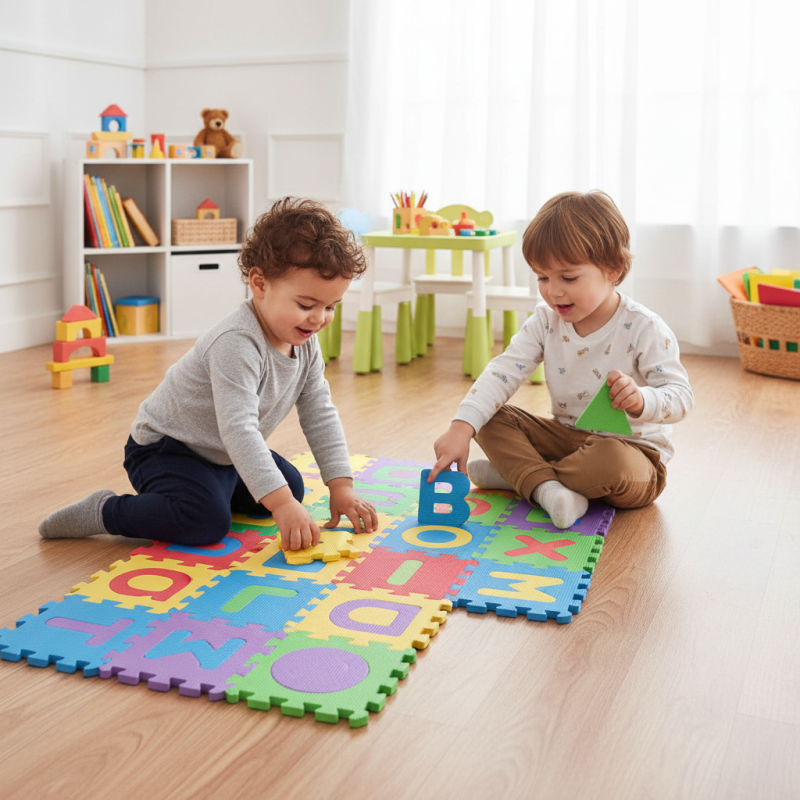
An ABC puzzle mat is a colorful and interactive educational tool designed for young children. These mats typically feature alphabet letters and vibrant images. They are made from soft, durable materials that provide a safe play surface. Kids can practice letter recognition and improve motor skills while playing. Research indicates that visual aids enhance early learning by 40%. This makes ABC puzzle mats valuable in a child's development.
Using an ABC puzzle mat encourages imaginative play. Children can create stories or games while interacting with the mat. This promotes cognitive development and problem-solving skills. Studies show that children who engage in hands-on learning are 60% more likely to retain information. The tactile experience of handling the pieces helps reinforce letter shapes and sounds.
Despite their benefits, ABC puzzle mats may not be perfect for everyone. Some children might find the colors distracting. Additionally, not all mats are made from eco-friendly materials. Parents should carefully choose products that align with their values. While these mats can enhance learning, they should be one part of a diverse learning environment. Balancing different teaching tools is essential for comprehensive development.
Benefits of ABC Puzzle Mats in Early Learning
The ABC Puzzle Mat helps enhance various skills in early learners. The chart above illustrates the improvement levels in cognitive, motor, social, language skills, and creativity attributed to the use of ABC Puzzle Mats during playtime.
Key Features of ABC Puzzle Mats
ABC puzzle mats are designed to support early learning through play. These mats come with colorful, interlocking pieces that form letters, numbers, and shapes. They encourage children to explore their environment while improving their motor skills. The tactile nature of the mats invites children to touch and feel, aiding sensory development.
One of the key features of ABC puzzle mats is their versatility. They can be used in various settings, such as playrooms, classrooms, and outdoor spaces. The mats are easy to clean, which is a plus for busy parents. However, some mats may not offer the best durability. It’s essential to choose mats that withstand wear and tear, especially in a lively play area.
The mats also stimulate cognitive growth. Children learn through interaction with the different letters and patterns on the mats. Yet, there can be a challenge with some kids losing interest quickly. To combat this, parents can join in the play. Involving adults often leads to more meaningful learning experiences. Overall, ABC puzzle mats serve multiple purposes, but they require thoughtful selection and engagement to maximize their benefits.
Educational Benefits for Early Learning
The ABC Puzzle Mat serves as a dynamic tool for early learning. It offers a vibrant and tactile surface where children can explore letters, numbers, and shapes. While the colors and textures engage young minds, the mat also encourages movement. Kids can sit, crawl, or even lie down as they discover the world of letters.
In addition to fostering cognitive skills, the ABC Puzzle Mat enhances fine motor development. Grasping the puzzle pieces helps strengthen tiny hand muscles. This prepares children for writing and other tasks. However, some kids may find it challenging to fit the pieces together. Encourage them to experiment and try different approaches.
Tips for parents: Create a daily playtime routine with the mat. This allows children to interact with letters in fun ways. Also, incorporate word games to make learning enjoyable. Use storytelling to connect the letters with real-life objects. This bridge helps make abstract concepts more tangible. Remember to be patient. Learning takes time, and mistakes are part of the journey.
What is Abc Puzzle Mat and How Does It Benefit Early Learning? - Educational Benefits for Early Learning
| Dimension |
Description |
Educational Benefits |
| Cognitive Development |
Enhances problem-solving skills through puzzle completion. |
Fosters critical thinking and logical reasoning. |
| Motor Skills |
Encourages hand-eye coordination and fine motor skills as children manipulate the pieces. |
Improves dexterity and control for future writing tasks. |
| Language Skills |
Promotes vocabulary development through interactive play. |
Encourages communication and social interaction among peers. |
| Color and Shape Recognition |
Introduces basic concepts of colors and shapes. |
Lays foundation for understanding more complex concepts in mathematics. |
| Creativity |
Encourages imaginative play and the creation of new patterns. |
Fosters originality and exploration in learning. |
Safety Considerations When Using Puzzle Mats
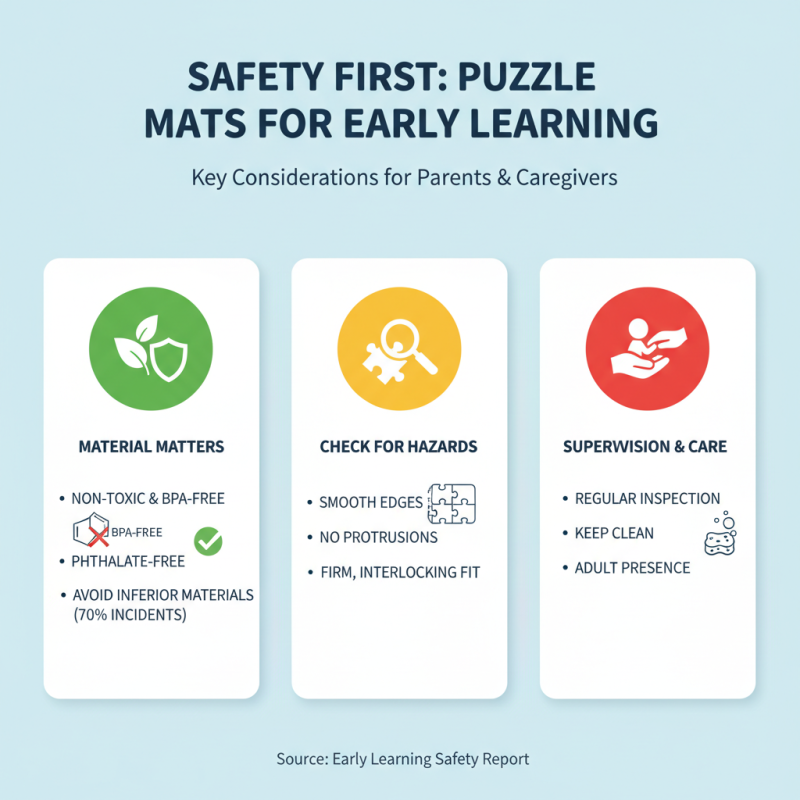
When using puzzle mats for early learning, safety is paramount. Parents and caregivers should consider the materials of the mats. Reports indicate that around 70% of safety incidents in play areas involve inferior materials. Choosing mats made from non-toxic, BPA-free materials helps mitigate risks. Inspect the mat for sharp edges or protrusions, as these can pose hazards.
Another important aspect is the mat's thickness. Many safety guidelines recommend a thickness of at least 0.5 inches to prevent injuries during falls. Research shows that thicker mats can absorb impact better, reducing the likelihood of bruises or fractures. Regularly checking for wear and tear is crucial; mats showing signs of damage can lose their protective features.
Proper placement also plays a role in safety. Mats should be laid down on a flat surface, free from obstacles. This helps prevent slips and ensures stability during playtime. Additionally, supervision remains vital. Despite the benefits of puzzle mats, accidents can still happen. Encouraging safe play and setting boundaries helps create a secure environment for children.
Tips for Choosing the Right ABC Puzzle Mat
When selecting an ABC puzzle mat, consider several factors. First, choose a mat made from safe, non-toxic materials. Kids spend time on the floor. You want them safe while playing. Look for mats that are free from harmful chemicals and heavy metals.
Next, consider size and thickness. The mat should fit well in your space. A thicker mat offers better cushioning for falls. This can be important for active children. Bright, engaging colors and letters can attract their attention. Kids love vibrant designs. This encourages them to spend time on it.
Finally, think about durability and ease of cleaning. A mat that can withstand rough use will last longer. Choose one that is easy to wipe down. Children can get messy during play. A mat that resists stains will save you effort.
Balancing safety, usability, and fun often requires some thought. Reflect on what matters most for your child’s learning environment.