Discover the Benefits of Abc Puzzle Mat for Early Learning?
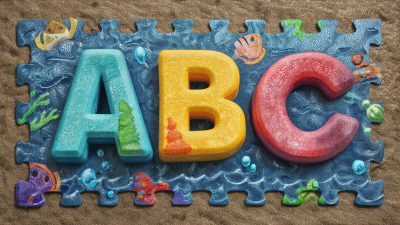
The "Abc Puzzle Mat" is a remarkable tool designed to enhance early learning experiences for children. This engaging mat combines fun and education, making learning the alphabet an enjoyable journey. As young children interact with colorful, interlocking letters, they develop essential skills such as cognitive recognition and fine motor abilities.
Parents and educators alike recognize its value in early childhood development. The tactile nature of the mat encourages children to explore and manipulate letters, sparking their curiosity. However, it's important to remember that not all children learn at the same pace. Some may struggle with letter recognition while others might excel. This variability can lead to moments of frustration or doubt. Embracing these challenges is essential. It offers opportunities for support and growth.
Choosing the "Abc Puzzle Mat" is more than opting for a learning tool; it's about fostering a supportive environment. This mat not only promotes learning but also provides a safe space for kids to play. Parents can use it to reinforce lessons, but they should remain patient and flexible in their approach. After all, every child's journey is unique.
Understanding the Importance of Early Learning Tools for Children
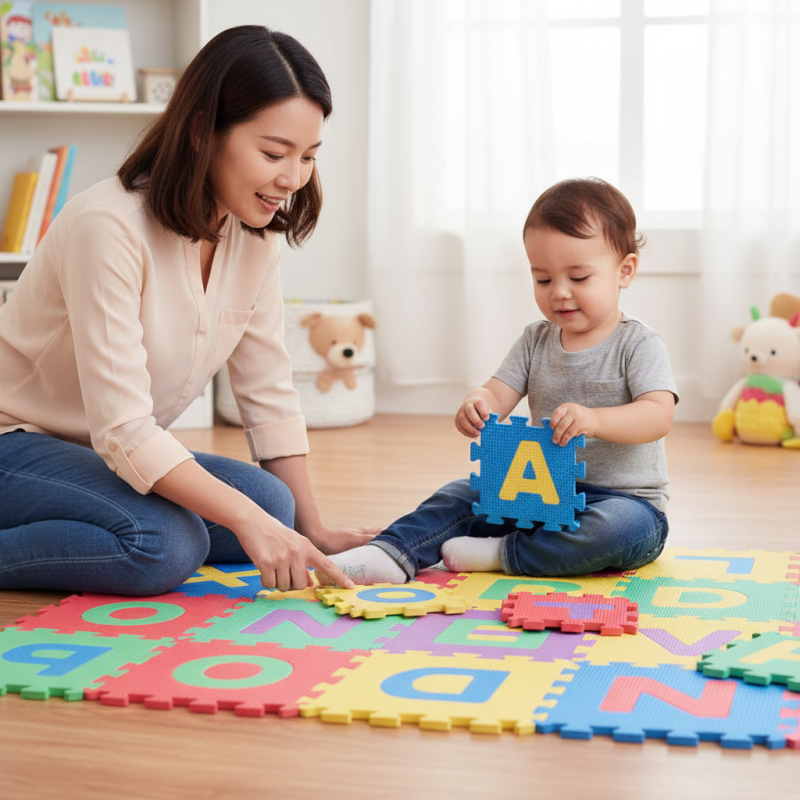
Early learning tools play a crucial role in a child's development. They help stimulate cognitive growth and improve fine motor skills. One such tool is the ABC puzzle mat. It combines fun and education seamlessly. Children can engage with letters while enjoying tactile play. This integration of learning and play is essential for effective early education.
Tips for parents: Create a dedicated play area with the puzzle mat. Make it vibrant and inviting. Surround it with books and toys that reinforce letter recognition. This will create a holistic learning environment. Remember, children learn best through exploration.
It's also important to reflect on your child's interests. Are they drawn to certain letters or colors? Use this insight to guide activities. Encourage them to identify letters in their name. This personal connection makes learning meaningful. Adapt your approach as they grow. Early learning is an ongoing journey.
What is an ABC Puzzle Mat and Its Design Features?
An ABC Puzzle Mat is an engaging educational tool designed for young learners. It incorporates colorful, interlocking foam pieces, each featuring a unique letter. These mats enhance cognitive skills while providing a comfortable play space. The vibrant colors and various textures stimulate visual and tactile senses, making learning enjoyable.
Children can explore letters in a playful manner. The mat encourages letter recognition and basic phonetics. As kids step on or arrange the letters, they develop fine motor skills. It's a safe environment for toddlers who are learning to crawl or walk.
Tips: Choose mats with thicker foam for better cushioning and durability. Ensure the pieces fit snugly to prevent choking hazards. Regularly check for wear and tear. Playing on the mat can lead to unstructured learning moments, but don’t shy away from guiding your child through challenging letters or words. This mix of freedom and guidance nurtures confident little learners.
Discover the Benefits of Abc Puzzle Mat for Early Learning?
| Feature |
Description |
Benefits |
| Material |
High-density foam |
Soft and safe for children to play |
| Design |
Colorful alphabet letters |
Attracts children's attention and promotes learning |
| Size |
Interlocking tiles, customizable area |
Ideal for various spaces, adaptable to any room |
| Safety Features |
Non-toxic, BPA-free |
Peace of mind for parents |
| Educational Value |
Helps with letter recognition, counting |
Encourages cognitive development in young children |
Key Developmental Benefits of Using ABC Puzzle Mats
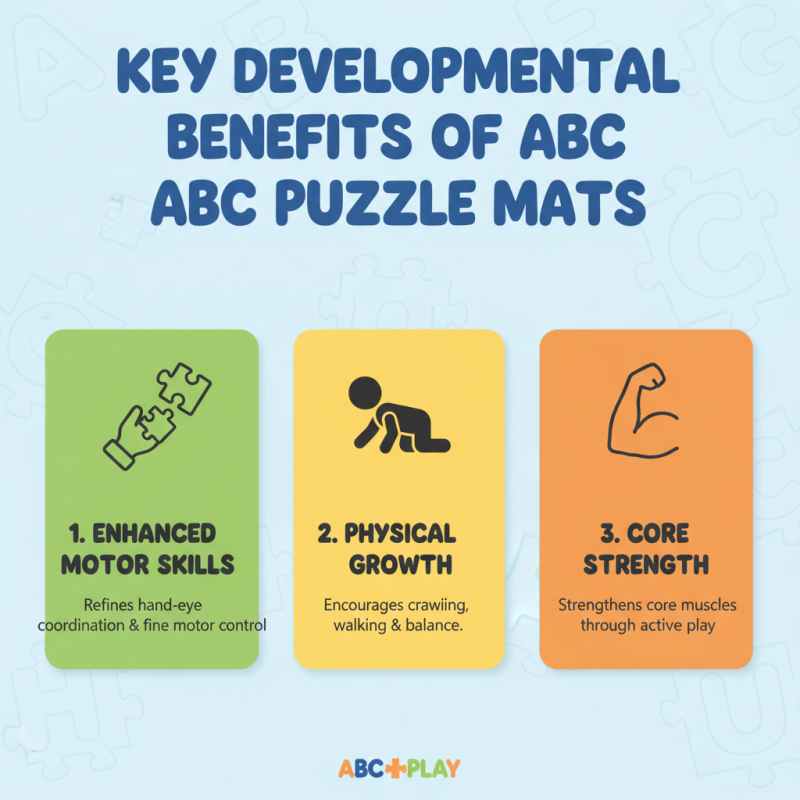
ABC puzzle mats provide numerous developmental benefits for young children. One significant advantage is their ability to enhance motor skills. As children manipulate the colorful pieces, they refine their hand-eye coordination. These mats encourage children to crawl, walk, and balance, strengthening their core muscles. Each movement fosters physical growth, making playtime productive.
Moreover, ABC puzzle mats facilitate cognitive development in an engaging way. The bright letters and numbers stimulate visual recognition. As children identify shapes or spell simple words, they build foundational literacy and numeracy skills. Playing with these mats can spark curiosity and creativity, offering a fun learning environment.
While ABC puzzle mats are beneficial, it's important to supervise playtime. Some children may become too excited, leading to rough play. Ensuring a safe space for exploration allows children to learn effectively while preventing potential accidents. Balancing these aspects can help parents maximize the positive effects of ABC puzzle mats on their child's early learning journey.
How ABC Puzzle Mats Enhance Cognitive and Motor Skills
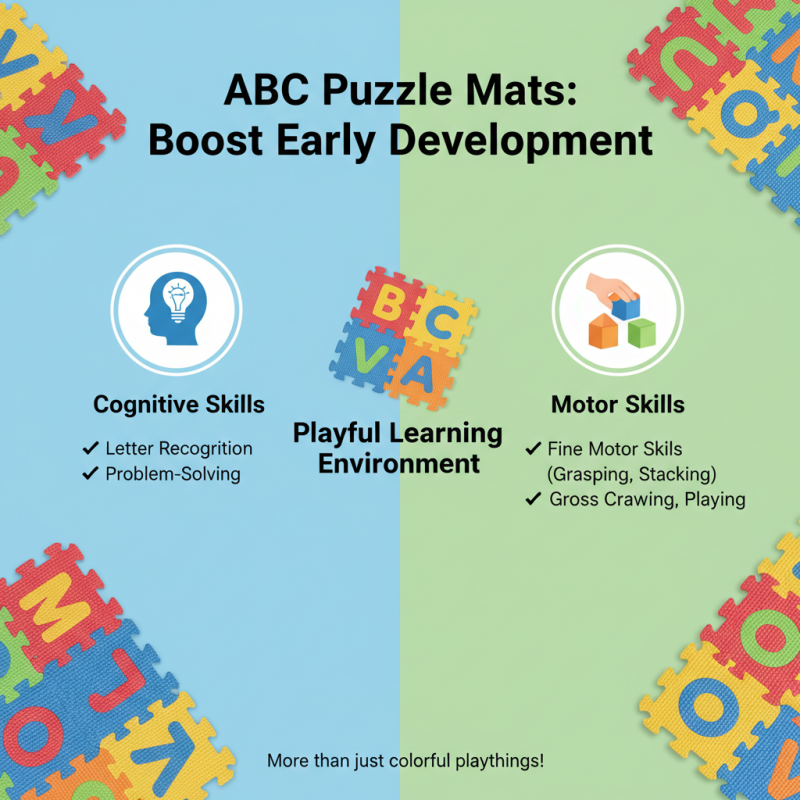
ABC puzzle mats are more than just colorful playthings. They serve as essential tools for early learning. Each letter is often a vibrant color, captivating young minds. Children can sit, crawl, and play on these mats, which encourages movement and exploration. This playful environment is crucial for developing fine motor skills.
When children interact with the alphabet shapes, they identify letters through touch and sight. This multi-sensory approach enhances cognitive skills. Simple games with the letters can spark curiosity. However, some children may find the process overwhelming. It’s important for caregivers to support them gently. Gradual exposure works best.
Social interaction is also key. Playing with others on these mats builds cooperation and communication. Kids can learn to share and take turns, but conflicts may arise. These moments teach essential problem-solving skills. They help children navigate emotions and relationships. Overall, ABC puzzle mats are valuable for cognitive and motor skill development, fostering a love for learning.
Tips for Choosing the Right ABC Puzzle Mat for Your Child
When choosing an ABC puzzle mat for your child, consider several essential factors.
Start by looking for mats that are made from non-toxic, high-quality materials. This ensures safety during playtime. Check if the mat is soft yet durable. Children love to crawl around and explore. A soft surface can help prevent injuries.
Think about size and design. Mats come in various sizes, so choose one that fits your space. Some designs are vibrant and engaging. These can capture a child’s attention and make learning fun. However, avoid overly busy designs. They can distract rather than help with focus.
Consider ease of cleaning. Young children often spill things or create messes. Look for mats that are waterproof and easy to wipe down. Some mats can even be washed in a machine. Reflect on the age and development stage of your child. An ideal mat should adapt to their learning needs as they grow.
Balancing these factors will lead you to the right choice.