Top 10 Benefits of Using a Fiberglass Mesh Machine?
The fiberglass mesh machine is a pivotal tool in modern construction and manufacturing. It plays a crucial role in producing durable and reliable fiberglass mesh used in various industries. With the rise of construction standards, the demand for high-quality mesh has surged. This machine ensures efficiency and consistent quality in production.
Using a fiberglass mesh machine brings numerous benefits. First, it enhances production speed. The automated processes allow for a high output rate, meeting tight deadlines. Second, it improves material quality. The machine ensures uniform thickness and strength across all mesh products. This consistency is vital for structural integrity.
However, not all machines are equal. Choosing the right machine requires thoughtful consideration. Factors such as size, speed, and automation must align with production needs. It's important to reflect on these elements before making a purchase decision.
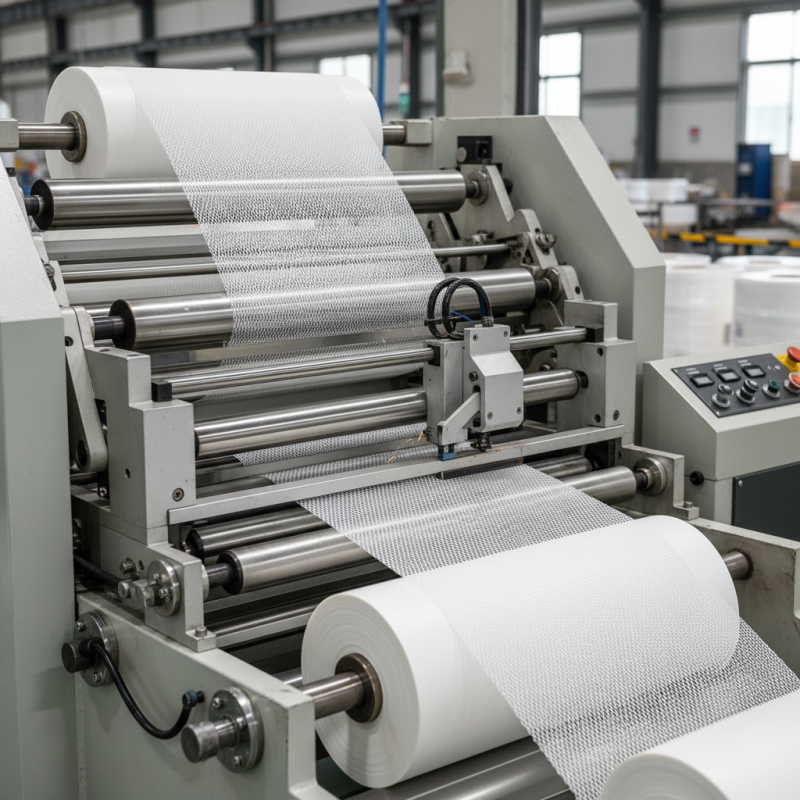
Benefits of Increased Production Efficiency with Fiberglass Mesh Machines
The use of fiberglass mesh machines has become essential in various industries. Increased production efficiency is one of the primary benefits. A report by the Advanced Materials Center indicates that utilizing these machines can enhance output by 25% to 30%. This remarkable boost stems from their ability to automate processes. Manual labor often leads to errors and inconsistencies. Automation minimizes these risks.
Efficiency also hinges on material savings. Fiberglass mesh machines can precisely control the amount of raw materials used. According to industry studies, this precision leads to a reduction in waste by nearly 15%. However, not all operators maximize this potential. Some companies still rely on outdated practices. They fail to adapt and, in turn, miss out on significant cost-saving opportunities.
Moreover, these machines allow for greater versatility in production. They can produce various mesh sizes with minimal downtime. This flexibility can be a double-edged sword. If not managed properly, it may lead to overproduction or inventory issues. Not all manufacturers bring in skilled operators who can effectively utilize these advanced tools. Continuous training is vital for maintaining efficiency and quality.
Cost Savings Through Automation in Fiberglass Mesh Production
Automation in fiberglass mesh production offers significant cost savings. By using a fiberglass mesh machine, manufacturers can reduce labor costs sharply. Fewer workers are needed for manual tasks. This efficiency can lead to higher output in less time.
With automated processes, quality improves. Machines maintain consistency that humans might struggle to achieve. Fluctuations in quality are often minimized. However, initial setup costs can be significant, and not every business finds it easy to adapt to this technology.
Another consideration is the learning curve. Workers may require training to operate new machines effectively. Some might resist changes, fearing job losses. Balancing automation and employment remains a delicate challenge. Yet, the potential for increased profitability is tempting for companies willing to invest in the future.
Enhanced Quality Control Achieved with Advanced Mesh Technology
The advancement in fiberglass mesh technology has significantly enhanced quality control in manufacturing processes. This technology allows for the creation of consistent mesh patterns, ensuring uniformity. With precise control over mesh density and thickness, manufacturers can achieve superior structural integrity. The use of digital monitoring systems helps detect any flaws early in production.
Incorporating advanced mesh technology presents challenges as well. The initial setup costs can be high, and operators must undergo training. Misalignment during the production process can lead to wastage. Ensuring that each batch meets quality standards requires diligence. However, when these challenges are addressed, the benefits of improved quality become evident. Enhanced inspection methods and stronger mesh characteristics lead to fewer product failures.
In the long run, this technology can boost customer satisfaction. Consumers increasingly demand high-quality products that can endure various conditions. Adopting advanced fiberglass mesh technology is not just about production efficiency; it’s about delivering quality. Investing time and resources into these practices can result in more reliable and effective solutions in the marketplace.
Reduction of Material Waste Using Specialized Fiberglass Processing
Using a fiberglass mesh machine can significantly reduce material waste during processing. These machines maximize efficiency by ensuring each cut and weave is precise. By refining the process, they eliminate excessive scrap materials. A cleaner production means lower costs and less environmental impact.
Tips: Always calibrate the machine before starting. This helps in achieving optimal settings, reducing errors. Regular maintenance can also prolong the machine's life. Clean machinery can improve product quality too.
In reality, some operators struggle with learning the machine. This might lead to mistakes that create more waste. Recognizing this challenge is essential for improvement. Training sessions can be beneficial, yet not everyone can adapt quickly. Don't hesitate to seek help or guidance. Each mistake is a chance to learn and refine your skills.
Flexibility and Versatility of Fiberglass Mesh Applications in Various Industries
Fiberglass mesh has gained traction across diverse industries due to its remarkable flexibility and versatility. This lightweight yet durable material finds applications in construction, automotive, and even aerospace sectors. According to a recent report by Global Fiberglass Market, the demand for fiberglass mesh is projected to grow at a CAGR of 7.5% from 2023 to 2030. Such growth indicates its increasing adoption in various applications, showcasing its adaptability.
In construction, fiberglass mesh is used for reinforcing concrete and plaster. It's favored for its ability to reduce crack formation and enhance durability. A study by the American Concrete Institute found that structures using fiberglass materials can last 60% longer than those with traditional reinforcements. This longevity is vital in a world that requires sustainable building solutions. However, the widespread use raises concerns about environmental impact and recyclability.
The automotive industry also benefits from fiberglass mesh's lightweight nature. Manufacturers use it to improve fuel efficiency and performance. However, balancing strength and weight remains a challenge. As production ramps up, it’s essential to consider the implications of increased fiberglass waste. A report by the Environmental Protection Agency highlighted that around 30% of industrial fiberglass products end up as waste, prompting a critical need for eco-friendly solutions in production methods.