Best Gym Flooring Mats for Optimal Performance and Safety?
In the world of fitness, the importance of proper gym flooring cannot be overstated. Gym flooring mats play a crucial role in ensuring optimal performance and safety during workouts. According to a report by the International Health, Racquet & Sportsclub Association (IHRSA), the fitness industry has seen a steady increase in gym memberships, with more facilities seeking effective solutions to enhance user experience. Quality gym flooring mats can significantly reduce the risk of injury, providing necessary cushioning and support for various exercises.
Furthermore, research has shown that the right flooring can improve athletic performance. A study published in the Journal of Sports Science found that athletes using appropriate gym flooring mats exhibited improved balance and stability. This is especially beneficial for high-impact activities, which can lead to injuries on inadequate surfaces. Choosing the right mats is not just about aesthetics; it's about creating a safe and effective environment for both casual gym-goers and serious athletes.
Despite the availability of various options, many gym owners tend to overlook the critical role of flooring. Some mats may seem visually appealing but lack the durability and safety features required for high-traffic areas. Making informed choices about gym flooring mats is essential for maximizing safety and performance in any fitness space.
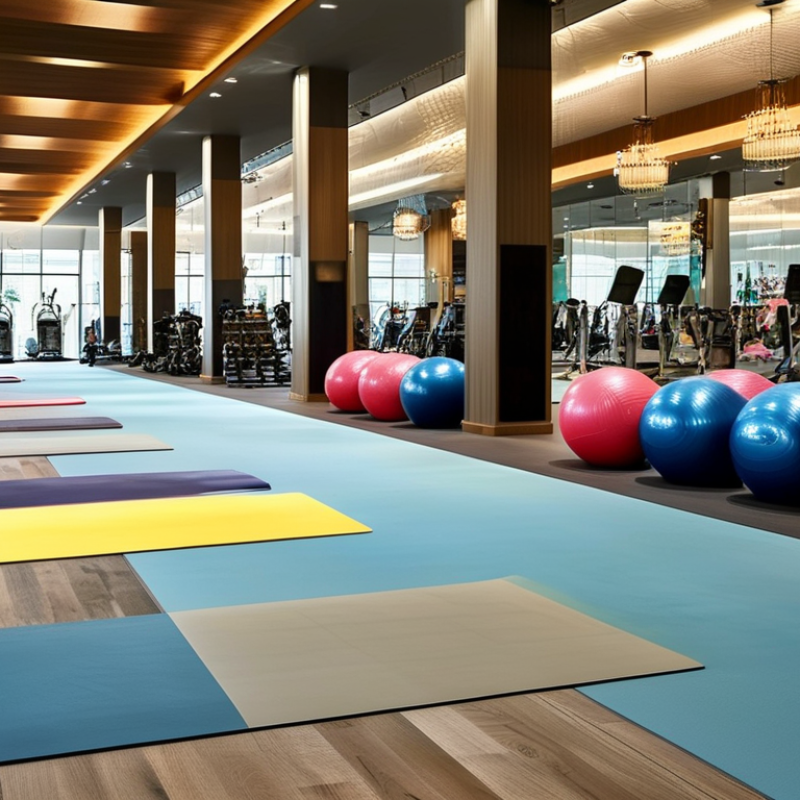
Types of Gym Flooring Mats and Their Benefits
When it comes to gym flooring mats, understanding the various types and their benefits is essential for creating an optimal workout environment.
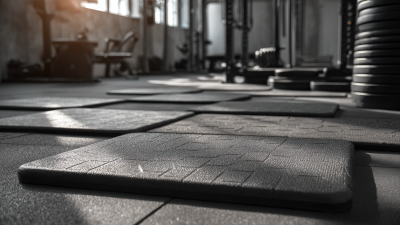
Rubber mats are popular due to their durability and slip-resistant properties. They provide excellent shock absorption, which helps reduce impact on joints during high-intensity workouts. These mats are also easy to clean, making them suitable for busy gym settings.
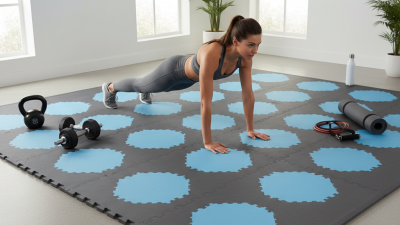
Foam mats offer another great option. They are lightweight and provide comfort for floor exercises like yoga or pilates. The cushioning helps prevent injuries and allows for a more enjoyable workout experience. However, foam mats might not be as durable as rubber, potentially leading to wear over time.
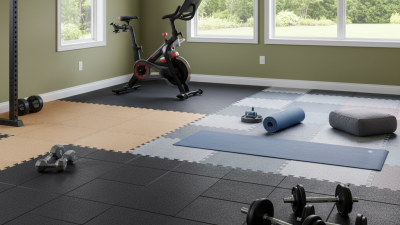
Interlocking mats combine the advantages of both rubber and foam.
They are versatile and can be tailored to fit various gym spaces. This flexibility helps in enhancing safety, as the mats stay in place during workouts. Yet, not all interlocking mats provide the same stability. Some users may find they shift slightly during movement, which requires a careful selection process. Understanding your workout needs is crucial in making the right choice.
Key Features to Look for in Gym Flooring Mats
When selecting gym flooring mats, several key features should be on your radar. The material used is crucial. Rubber and foam are popular for their durability and shock absorption. They provide the necessary support during intense workouts and reduce injury risks. Look for mats that offer a non-slip surface. This feature promotes stability and prevents accidents during exercises like weightlifting or high-intensity interval training.
Thickness matters too. Mats that are at least half an inch thick can better absorb impacts. However, very thick mats may affect balance during certain exercises. Aim for a balance between comfort and functionality. It’s also important to consider maintenance. Mats that are easy to clean tend to last longer in a gym environment. Moreover, odor resistance is a feature worth checking. A fresh-smelling gym space is vital for a pleasant workout.
Lastly, ensure that the mats are versatile. They should work well for various activities, from yoga to HIIT. You might encounter materials that seem ideal but may not hold up under sustained use. Research user reviews to find feedback on durability and performance. Remember, a well-chosen mat can enhance training experience and safety.
Best Gym Flooring Mats for Optimal Performance and Safety
| Type of Mat |
Material |
Thickness |
Safety Features |
Price Range |
| Interlocking Foam Mats |
EVA Foam |
0.5 inches |
Non-slip surface, shock absorption |
$1.50 - $3.00 per sq ft |
| Rubber Flooring Rolls |
Recycled Rubber |
3/8 inches |
Water-resistant, anti-slip |
$2.00 - $4.00 per sq ft |
| Vinyl Flooring Tiles |
PVC |
1/4 inches |
Scratch-resistant, cushioned surface |
$3.00 - $5.00 per sq ft |
| Foam Workout Mats |
High-density Foam |
1 inch |
Portable, easy to clean |
$25.00 - $50.00 each |
| Carpet Tiles |
Nylon |
1/2 inches |
Shock-absorbent, anti-static |
$1.00 - $3.00 per sq ft |
Comparative Analysis of Material Options for Gym Mats
Selecting the right material for gym flooring mats is crucial for performance and safety. Various options are available, each with unique attributes. Rubber mats, for example, are known for their durability and shock absorption. According to the National Institute for Occupational Safety and Health (NIOSH), rubber flooring can reduce injuries from falls significantly. This is particularly important in high-impact areas, such as weightlifting zones.
Foam mats offer another option. They are lightweight and provide cushioning during exercises. However, they may not be as durable as rubber mats. A survey published in the Journal of Sports Medicine noted that while foam mats are comfortable, they can wear down quickly under heavy use. This raises concerns about long-term investments in gym facilities.
Vinyl mats present a different alternative. They are easy to clean and resistant to mold and mildew. However, they can be slippery, especially when wet. According to the American Council on Exercise (ACE), this poses a risk during high-intensity workouts. Therefore, gym owners should consider the type of workouts participants will engage in before making a final decision. Every mat type has its pros and cons, making it essential to evaluate needs carefully.
Installation Tips for Optimal Performance and Safety
Selecting the right gym flooring mats is crucial for performance and safety. Proper installation can enhance the longevity of your mats and ensure a stable workout surface. First, it’s essential to clean the floor thoroughly before laying down the mats. Any dust or debris can affect adhesion and create an uneven surface. This step may seem basic, but neglecting it can lead to problems later.
When positioning the mats, align them carefully to reduce gaps. Gaps create tripping hazards, especially during high-intensity workouts. Using double-sided tape can help secure the edges, but be cautious. Tape residue can be difficult to clean later, so it’s wise to test a small area first. Also, consider the mat thickness. Thicker mats offer better shock absorption, but they might not fit well in smaller spaces.
Lastly, think about the environment where the mats will be used. High humidity levels can cause mats to warp. Ventilation is important but often overlooked. Pay attention to these details to maximize your gym's safety and performance. Remember, a slightly imperfect installation might still serve its purpose, but striving for precision is a habit worth developing.
Maintenance and Care for Longevity of Gym Flooring Mats
Maintaining gym flooring mats is crucial for their longevity and functionality. Regular cleaning is essential. It helps remove dirt and sweat, preventing potential wear. Use a damp mop with a mild detergent to gently clean the surface. This simple routine ensures your mats remain hygienic and visually appealing.
Inspecting your mats regularly is another key step. Look for any signs of damage, such as tears or warping. These flaws can affect safety during workouts. If you notice wear, consider patching or replacing the affected parts. A proactive approach can extend the life of your mats significantly.
Storage also plays a vital role in maintenance. When not in use, roll mats up and store them in a cool, dry place. Avoid leaving them in damp areas, as moisture can lead to mold growth. Taking these precautions can enhance both performance and safety during your workouts.