How to Choose the Best Eva Puzzle Mat for Your Needs?
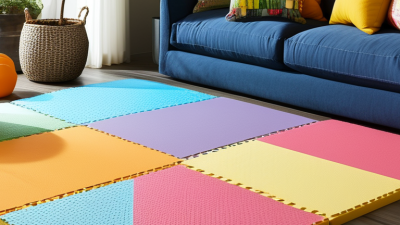
When it comes to creating a safe and comfortable play area for children, the choice of an Eva Puzzle Mat can make a significant difference. These mats provide not only cushioning but also vibrant colors and fun designs. However, selecting the best Eva Puzzle Mat requires careful consideration of various factors. The market is flooded with options, which can be overwhelming.
Think about safety features first. Look for mats made from non-toxic materials. This is crucial for children's health. Also, consider thickness and texture. A thicker mat can offer better cushioning for falls. Don't overlook ease of cleaning and storage. A mat that is easy to wipe down will save you time.
While many options seem appealing, not all products deliver on quality. Some mats may fade or wear out quickly. Reading reviews from other parents can provide insight. Weigh the pros and cons of different brands. Finding the perfect Eva Puzzle Mat requires more than just a quick glance. It is about balancing aesthetics with functionality. Take your time to make an informed choice.
Factors to Consider When Selecting an Eva Puzzle Mat
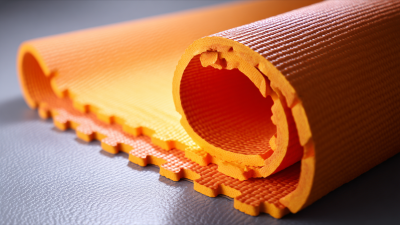
When selecting an EVA puzzle mat, several factors should guide your decision. Thickness is crucial. Mats typically range from 10mm to 25mm. A thicker mat provides more cushioning, which is essential for activities like play or yoga. Research shows that thicker mats can reduce impact stress by up to 30%. This protects joints, especially for children or seniors who are more susceptible to injuries.
Material quality is another key consideration. Look for high-density EVA foam, as it is more durable and less likely to sag over time. Mats that claim to be non-toxic are preferable, especially for areas frequented by kids. The market reports indicate that consumers prefer mats with certifications, such as ASTM, ensuring safety and quality.
Color and design can also influence your choice. Many mats come in vibrant colors and puzzle shapes, which can enhance a space aesthetically. However, not all mats are equally fade-resistant. For heavy use, consider mats labeled for commercial or extensive home use, as they are made to withstand wear.
While shopping, consider these valuable insights. Ensure the mat fits your intended space. A mat too small won't provide adequate coverage. Remember, a good mat may require a larger investment upfront but can save money in the long run due to better durability. Choose wisely to ensure it meets all your needs.
Types of Eva Puzzle Mats Available in the Market
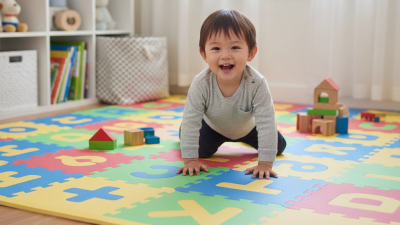
When exploring the different types of EVA puzzle mats, consider their intended use. For children, safety is a top priority. Look for mats with thicker padding to cushion falls. These mats often come in vibrant colors and engaging designs, enhancing playtime while ensuring comfort.
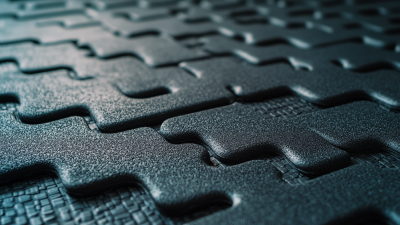
For exercise enthusiasts, interlocking EVA mats provide versatility. They can easily be expanded or reduced in size. Think about the thickness and density of the mat. A denser mat will offer better support for high-impact activities. However, some users find these mats can feel firm and may require a period of adjustment.
In addition, consider mats designed for specific activities, such as yoga or martial arts. These mats often feature textured surfaces for improved grip. However, not everyone appreciates the feel of textured mats. Some may prefer the smoothness of a flat surface. It’s important to test various options to find what feels best for you.
How to Choose the Best Eva Puzzle Mat for Your Needs? - Types of Eva Puzzle Mats Available in the Market
| Type of Eva Puzzle Mat |
Thickness |
Size Options |
Color Options |
Ideal Usage |
| Interlocking Puzzle Mats |
0.5 - 1 inch |
2' x 2', 3' x 3' |
Multiple colors and patterns |
Playrooms, Gyms |
| Eva Foam Tiles |
0.5 - 1 inch |
1' x 1', 2' x 2' |
Solid colors, custom prints |
Fitness, Yoga |
| Soft Play Mats |
1 - 2 inches |
3' x 6', 4' x 8' |
Pastel colors, animal prints |
Nurseries, Childcare |
| Gymnastics Mats |
2 - 4 inches |
4' x 8', 5' x 10' |
Bright colors |
Gymnastics, Tumbling |
Evaluating Thickness and Density for Comfort and Safety
When choosing an Eva puzzle mat, thickness and density are crucial factors that directly affect comfort and safety. Industry reports indicate that a mat thickness of 1 inch is ideal for protecting children during play. This thickness provides sufficient cushioning against hard surfaces, reducing the risk of injuries. Additionally, the density of the foam can impact durability and support. Mats with a density of at least 25 kg/m³ are recommended for long-lasting use, ensuring they maintain their shape over time.
Choosing the right thickness can feel overwhelming. Many parents overlook how even small differences can change comfort levels significantly. A mat that is too thin may not provide adequate cushioning, leading to discomfort for users. Consider testing mats in-store to find the perfect fit for your space. A denser mat may feel firmer underfoot but offers better shock absorption, vital for areas used for play or exercise.
Another consideration is maintenance. A thicker mat is often heavier and more challenging to clean, which can become a hassle. Balancing comfort and practicality is key. Also, be aware that a thicker mat may not fit easily under furniture or in smaller spaces. Weigh the options carefully, and remember that safety and comfort should always come first when evaluating your choices.
Measuring Space: Ensuring the Right Fit for Your Area
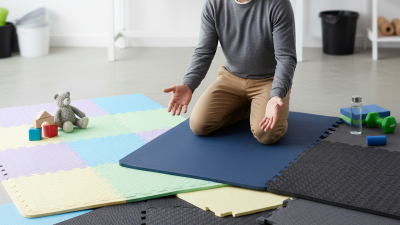
When selecting an Eva puzzle mat, measuring your space is crucial. Start by determining the area where the mat will be placed. Use a measuring tape to capture the length and width accurately. Take note of any obstacles like furniture or built-in features. This ensures the mat fits snugly in the desired location.
Consider the mat's thickness and design as well. A thicker mat offers better cushioning but may take up more height than expected. If your space is limited, a thinner option might be a better fit. Look at the pattern and colors too; they should complement your room’s decor. This attention to detail can help in creating a harmonious environment.
Don’t rush the decision. It’s important to reflect on how you will use the space. Will it be for play, exercise, or as a soft area for relaxation? These choices affect your mat's size and type. Sometimes, an ideal mat may require adjustments in the room layout. Be open to experimenting with different configurations. Balancing practicality with aesthetics can enhance your overall experience.
Design and Aesthetic Options for Your Eva Puzzle Mat
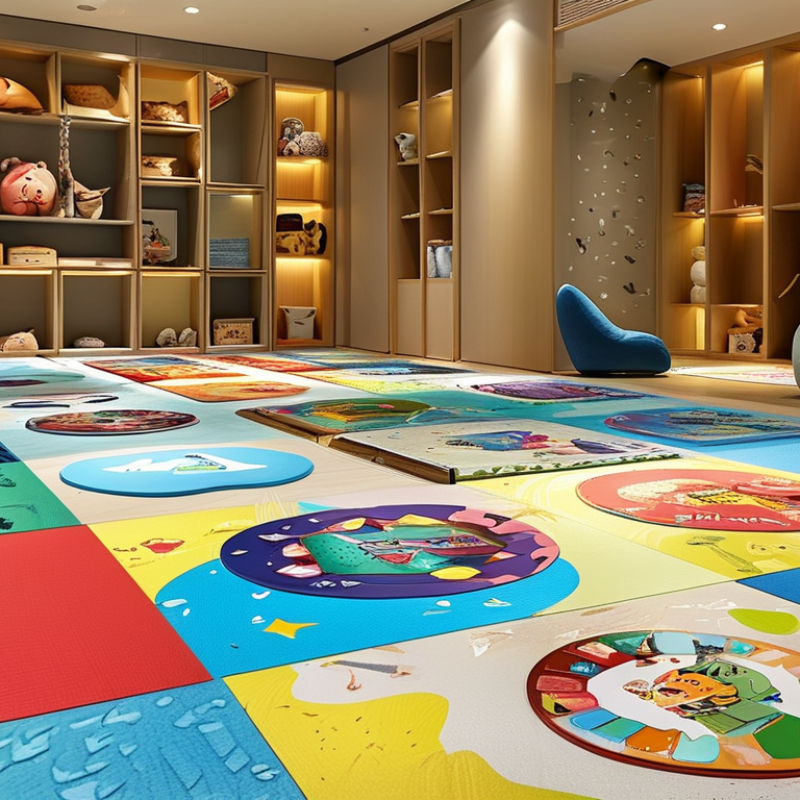
When selecting an Eva puzzle mat, design and aesthetics can significantly enhance your space. These mats come in various colors, patterns, and textures. Choose a color scheme that complements your room. Bright colors can energize a space, while muted tones provide a calming effect. Consider playful patterns for children's areas. A well-chosen design can elevate the room's overall ambience.
Add personal touches to the mat's layout. Arrange pieces in ways that encourage creativity and interaction. Layering mats with different textures can also create visual interest. However, be cautious. Overly busy patterns may distract or overwhelm. Striking the right balance is key.
For functionality, ensure the mat's design meets your lifestyle needs. Do you require soft cushioning for play or a durable surface for workouts? Reflect on how you will use the mat in your daily routine. Picking a design that aligns with your activities will ultimately provide a better experience. It's worth taking the time to choose wisely.