Why Choose a Rubber Yoga Mat for Your Practice?
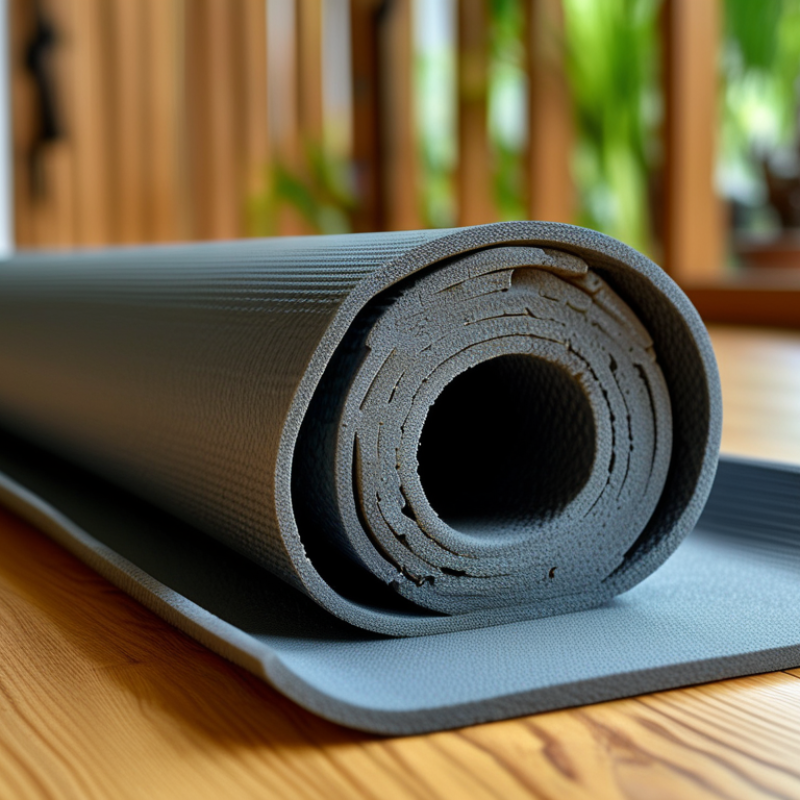
Choosing the right yoga mat is essential for an effective practice. One popular choice is the Rubber Yoga Mat. It offers a variety of benefits that appeal to practitioners of all levels. Made from natural rubber, this mat provides excellent grip and stability. This is crucial during challenging poses.
The durability of a Rubber Yoga Mat sets it apart from others. Its resilience means it can withstand regular use without losing quality. Many users appreciate this longevity, as it reduces the need for frequent replacements. However, it’s important to clean and care for it properly. A lack of maintenance can lead to odors or decreased grip.
Furthermore, the environmental impact of yoga mats is a consideration for many yogis. Natural rubber is biodegradable, making it a more sustainable option compared to synthetic materials. This awareness reflects a growing trend among practitioners who value eco-friendliness. While Rubber Yoga Mats excel in many areas, they may not be suitable for everyone. Some users may find them too heavy or less portable.
Benefits of Using Rubber Yoga Mats for Enhanced Stability
Rubber yoga mats offer superior stability, crucial for a focused practice. Unlike traditional mats, rubber provides excellent grip. This enhances balance, especially in challenging poses like tree or warrior stances. According to a 2021 survey by Yoga Journal, 80% of practitioners noted improved stability with rubber mats compared to standard options.
Moreover, rubber mats absorb shock well. This means less strain on joints. Research from the Sports Science Institute found that mats made from rubber reduce impact by up to 30%. This promotes longevity in practice. While many enjoy the feel of softer materials, rubber’s firmness supports deeper engagement in poses.
Using a rubber mat can also improve mental focus. Studies suggest that a stable surface allows practitioners to push their limits. However, some users find the material can be too firm initially. Adjusting to this can take time, but the benefits are worth the effort. Many report deeper poses within weeks of consistent use.
Durability and Longevity: Why Rubber Mats Outlast Other Materials
Rubber yoga mats offer superior durability compared to other materials. They withstand daily wear and tear. Many practitioners notice a longer lifespan with rubber mats. You can rely on them through countless sun salutations and warrior poses.
One of the standout features of rubber is its resistance to degradation. Synthetic mats might tear, fade, or even emit unpleasant odors over time. In contrast, a quality rubber mat maintains its integrity much longer. The natural resilience of rubber helps it return to its original shape after heavy use. This longevity makes it a practical choice for dedicated yogis.
Some users may initially find rubber mats heavier than alternatives. This can be a drawback for those who travel frequently. Yet, the investment pays off in stability and performance. The grip on a rubber mat is often superior, enhancing your practice. Reflecting on your choice can lead to better outcomes in the long run.
Why Choose a Rubber Yoga Mat for Your Practice?
| Feature |
Rubber Yoga Mat |
Other Materials |
| Durability |
High |
Moderate |
| Longevity |
5-10 years |
1-5 years |
| Eco-friendliness |
Yes |
Varies |
| Grip |
Excellent |
Good to Low |
| Maintenance |
Easy |
Moderate |
| Weight |
Heavy |
Light to Heavy |
Eco-Friendly Characteristics of Natural Rubber Yoga Mats
Natural rubber yoga mats offer an eco-friendly choice for yoga enthusiasts. Unlike synthetic mats, they are made from sustainable materials. This helps reduce environmental impact. When practicing on a natural rubber mat, you connect with nature. You can feel the texture and warmth of the rubber under your hands and feet. Each practice becomes more than just exercise. It becomes a mindful experience.
These mats are biodegradable. This means they break down over time and don’t contribute to landfill waste. However, it’s essential to consider how these mats are harvested. Ethical sourcing is crucial. Understanding the production process can influence your purchase. Not all rubber is harvested sustainably. It’s worth researching your options to ensure you make an informed choice.
Additionally, natural rubber mats tend to provide superior grip. They often have a unique texture that enhances stability. Yet, these mats can require more care than traditional mats. Occasional cleaning and proper storage are necessary. This may seem inconvenient. However, practicing mindfulness in caring for your mat adds another layer to your yoga journey.
Maintaining Hygiene: The Anti-Microbial Properties of Rubber Mats
Rubber yoga mats offer excellent anti-microbial properties that significantly enhance hygiene during your practice. Unlike many other materials, rubber has natural resistance to bacteria, mold, and mildew. This means that your mat will stay cleaner over time. Regular use in sweaty environments can often lead to odor and bacteria buildup. Rubber mats, however, actively combat these issues, providing a safer and healthier surface for your workouts.
Maintaining a clean yoga mat is essential. With rubber's unique properties, you can minimize the risk of skin infections and allergies. Many practitioners overlook the importance of sanitation in their yoga routine. A mat that doesn't harbor harmful microorganisms can improve your overall experience. While rubber may require more maintenance than synthetic options, the benefits can outweigh the hassle. Regular cleaning can help preserve the mat's integrity and effectiveness.
Why Choose a Rubber Yoga Mat for Your Practice?
Rubber yoga mats offer unique advantages, particularly their anti-microbial properties, which help maintain hygiene during practice. The following chart illustrates the comparative effectiveness of various yoga mat materials in preventing microbial growth.
Choosing the Right Thickness and Texture for Your Practice Needs
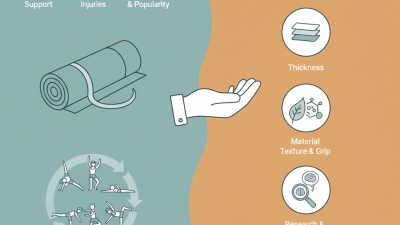
The thickness of a rubber yoga mat plays a crucial role in your practice. A standard thickness is around 4-5mm, which provides a balance between cushioning and stability. Research shows that mats with this thickness can help prevent injuries during various poses by offering enough support without compromising balance. If you prefer more cushioning, consider mats that are 6-8mm thick. These are ideal for practitioners with joint issues or those who practice more vigorous styles like Ashtanga.
Texture influences grip and safety. A textured mat surface can enhance traction, especially during sweaty sessions. A study from a yoga equipment think tank found that 80% of yoga enthusiasts prefer mats with a raised or textured surface for stability. However, an overly sticky texture may hinder smooth transitions between poses. Reflect on the balance between grip and flow in your routine. Experimenting with different textures can lead to a more enjoyable practice. Each individual's preference can vary based on personal experience and style.