How to Choose the Best Gym Flooring Mats for Your Needs?
Choosing the right gym flooring mats can significantly enhance your workout experience. The right mats provide support, safety, and durability for various exercises. Consider the activities you will perform on these surfaces. Different workouts and equipment require specific types of mats.
Look for quality materials that offer proper cushioning and grip. For example, rubber mats are excellent for weight training, while foam mats are great for yoga. Think about ease of cleaning and maintenance as well. Spills and sweat can create hygiene issues if not properly managed.
Reflect on your space's dimensions and the mat's thickness. Some may prefer thicker options for comfort, while others want minimalist designs. It's easy to overlook these details, yet they impact your training environment. Ultimately, gym flooring mats are an investment in your fitness journey. Make an informed choice for better results.
Understanding the Different Types of Gym Flooring Mats Available
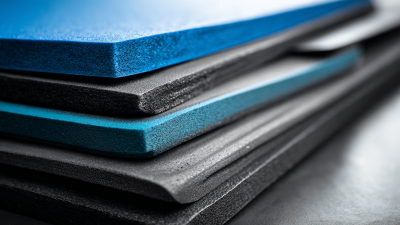
When choosing gym flooring mats, it’s important to understand the various types available. Each type serves different needs. Rubber mats are durable and provide excellent shock absorption, making them ideal for high-impact workouts. Foam mats offer comfort and are lightweight, best suited for yoga or pilates. Vinyl flooring is easy to clean and can withstand heavy foot traffic.
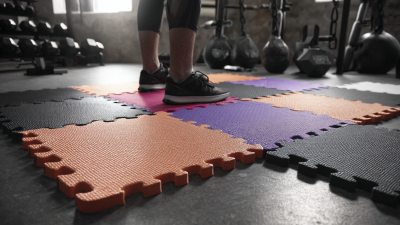
Tips: Consider your workout style when selecting mats. For weightlifting, opt for thicker rubber mats to protect the floor and reduce noise. If you are into functional training, invest in interlocking foam tiles for versatility.
Additionally, texture matters. Textured surfaces can prevent slipping during exercises. Mats should also be easy to maintain. Regular cleaning will prolong their lifespan. Trust your instincts when choosing; the right mat should feel right underfoot and support your activity level. Test different options if possible. Each mat type has unique benefits and potential drawbacks. Reflect on your specific needs before making a decision.
Types of Gym Flooring Mats and Their Benefits
Evaluating Your Space: Size and Layout Considerations for Mat Selection
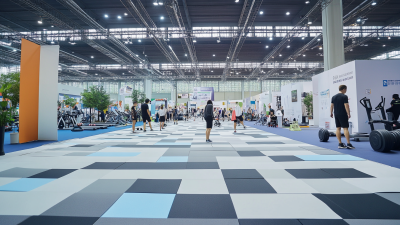
When considering gym flooring mats, evaluating your space is crucial. The size and layout of your gym dictate the type of mats that are most suitable. A report by the National Academy of Sports Medicine points out that proper mat selection can enhance safety and improve performance. Ensure you measure your workout area accurately. Having a clear idea of available space will help you determine the right size of mats to prevent awkward gaps or overlaps.
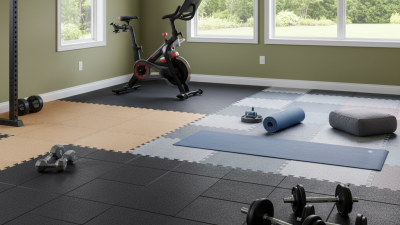
Different gym activities require different mat types. For example, high-impact workouts may benefit from thicker mats that provide more cushion. In compact spaces, interlocking mats offer flexibility and ease of arrangement. According to a survey from Fitness Magazine, over 70% of gym enthusiasts report feeling more comfortable in well-matted spaces, which enhances their workout experience. Consider the layout too. Open areas may require larger mats, while smaller sections benefit from customized designs.
Tips: Always choose mats that are easy to clean and maintain. This can save time on upkeep and enhance hygiene. An often overlooked aspect is the mat’s texture; a non-slip surface greatly enhances user safety. Planning the layout meticulously can reduce potential safety hazards. You may also need to reassess your choices if wear and tear become evident over time.
How to Choose the Best Gym Flooring Mats for Your Needs?
| Criteria |
Details |
| Room Size |
Measure the total area where mats will be placed (e.g., 200 sq ft) |
| Floor Type |
Consider the existing flooring (concrete, wood, tile) |
| Activity Level |
Assess types of workouts including weightlifting, yoga, or high-intensity training |
| Comfort and Safety |
Evaluate the cushioning and shock absorption features of mats |
| Maintenance Needs |
Check how easy the mats are to clean and maintain |
| Thickness |
Determine the thickness required for your chosen type of exercise |
| Cost |
Set a budget for purchasing gym mats |
Assessing Durability and Performance Requirements for Gym Mats
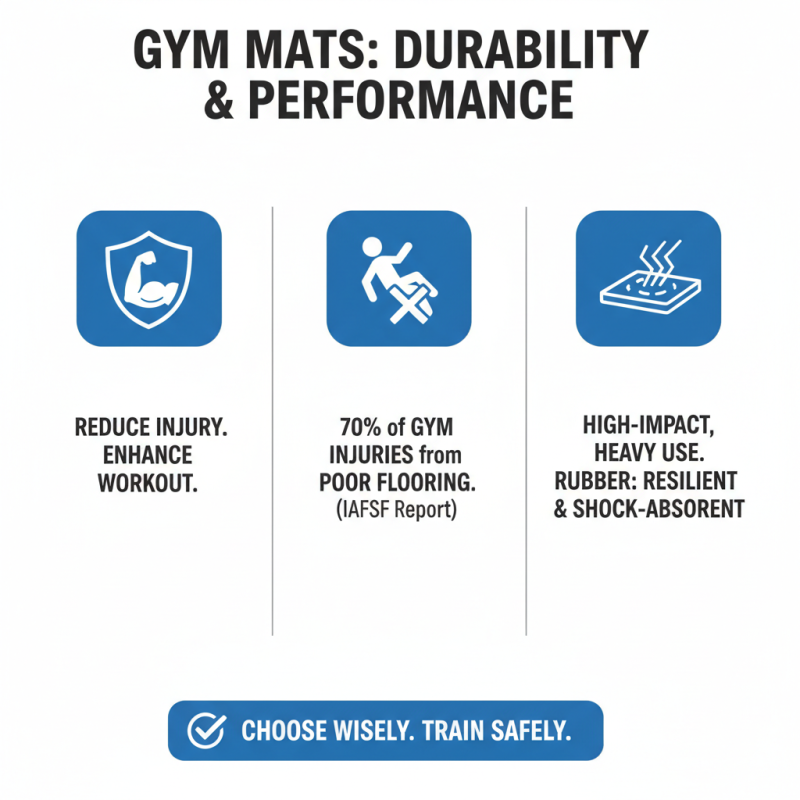
When selecting gym flooring mats, durability and performance are critical factors. Research shows that the right mat can reduce injury while enhancing workout efficiency. According to a report by the International Association for Sports Flooring, 70% of injuries in gyms occur due to insufficient flooring. Choosing mats that withstand high impact and heavy use is essential. Look for materials like rubber, which is noted for its resilience and ability to absorb shocks effectively.
The performance requirements also vary based on the type of exercise. For weightlifting, a thicker mat can provide better stability and protect both the floor and the equipment. For yoga or stretching areas, a softer, cushioned mat may be preferable. Statistics indicate that users often slip or strain themselves on inadequate surfaces. Addressing this issue can mean a safer experience for clients. Consider mats with a textured surface to improve grip.
While the options seem abundant, not all mats meet durability standards. Some may wear out quickly or fail to maintain appearance over time. A study revealed that 40% of gym operators replace flooring every two years due to wear. It's vital to assess warranties and user reviews before making a decision. Remember, investing in quality mats not only protects users but also enhances the overall experience in your fitness space.
Analyzing Budget Constraints and Material Costs for Gym Flooring
When selecting gym flooring mats, budget constraints play a vital role. According to industry reports, high-quality gym flooring can range from $2 to $8 per square foot. This wide range accommodates various material options, each offering distinct advantages and disadvantages. For example, rubber mats are durable and provide excellent shock absorption but can be more expensive to install.
It's important to assess the longevity of the flooring materials. Vinyl mats are typically cheaper but may wear out quickly. Consider the trade-off between initial costs and replacement frequency. For instance, rubber flooring often outlasts vinyl, resulting in lower long-term expenses.
**Tips:** Always calculate the total installation cost, including underlayment and labor. Monitoring local suppliers for discounts can also save money. Remember, investing in quality materials can enhance user experience and safety.
Research your options thoroughly. Some mats may not perform well in specific gym environments, like cardio areas versus strength training zones. Each decision should reflect your facility's unique needs while staying within your financial limits.
Identifying Specific Activities and Their Impact on Flooring Needs
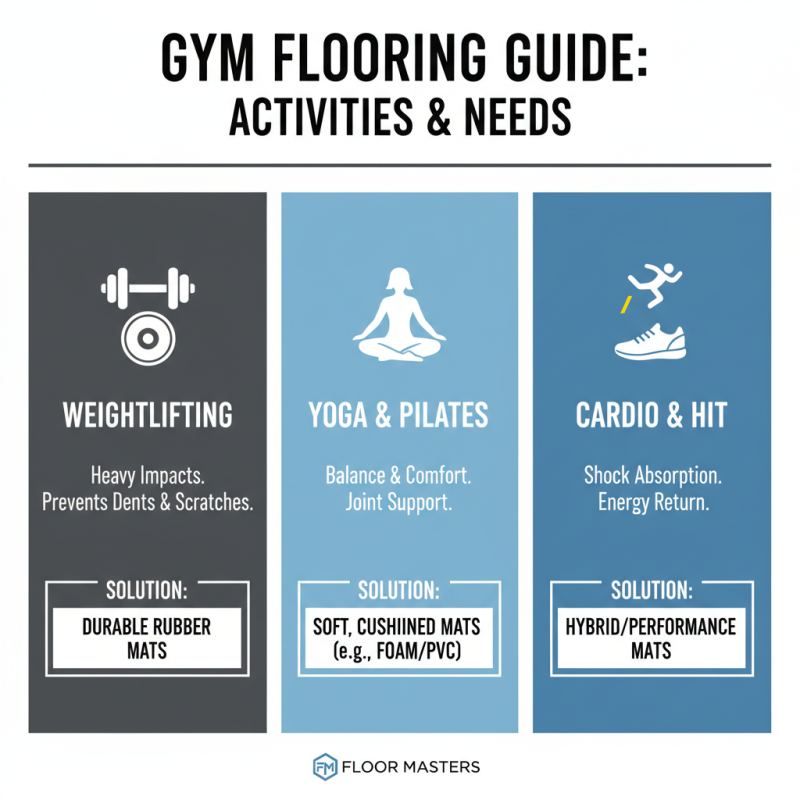
Choosing the right gym flooring mats is crucial. Different activities demand specific flooring solutions. For instance, weightlifting involves heavy equipment that can dent softer surfaces. A more durable mat is essential in this area. Yoga and pilates require a different approach. Soft, cushioned flooring provides comfort and stability for balance during poses.
Consider how each activity impacts the mat's material. A high-impact workout like aerobics generates significant movement. These mats need to absorb shock effectively to protect joints. Meanwhile, martial arts often use mats that are both firm and soft to allow for falls without injury. The surface must offer grip, ensuring safety during dynamic movements.
Each type of exercise affects flooring wear and tear differently. Resistance training mats might show scuff marks quickly. Yet, an anti-slippery design can enhance safety in high-energy sessions. It's important to think critically about your workouts and how they interact with your flooring. Reflect on the durability, comfort, and overall fit to find the best solution for your unique gym environment.