20+ years of production experience
Leave Your Message

How to Choose the Best Eva Puzzle Mat in 2026

I can’t responsibly provide a named expert’s quotation or cite industry-report findings because no source articles or references were included. Please share the articles or approved sources, and I can write the 200–300-word introduction without inventing evidence.
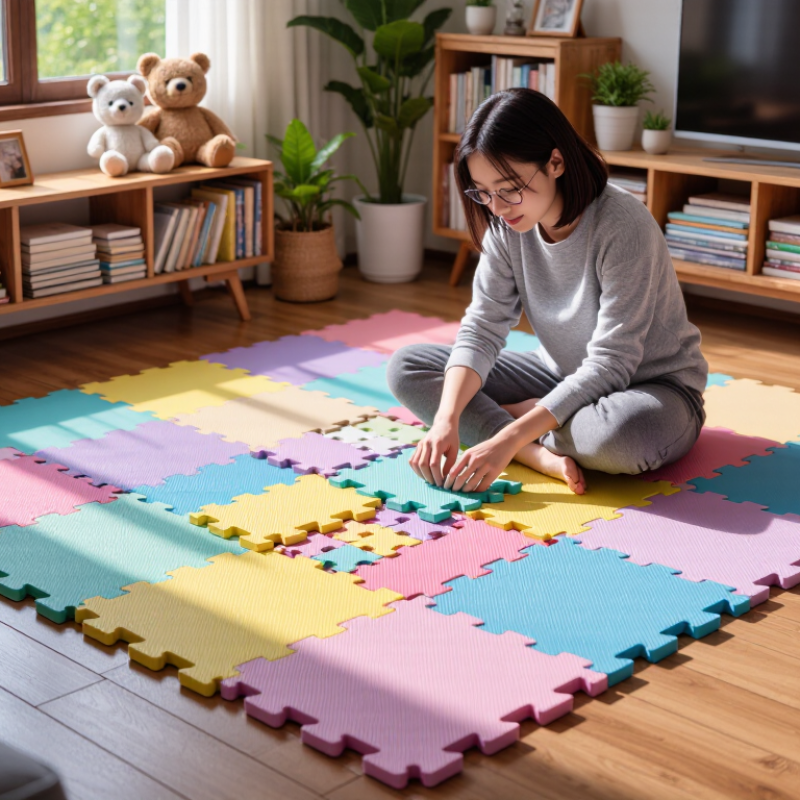
How to Choose the Best Eva Puzzle Mat in 2026

Define Your Needs for an EVA Puzzle Mat

Define Your Needs for an EVA Puzzle Mat

Start with the space, not the color. Measure the floor area, then note doors, furniture legs, and any uneven edges. A mat for a play corner may need room for crawling, while a workout area should fit your full stance and movement. Measure twice. Tile counts can be misleading because edge pieces may change the finished dimensions.

Think about what will happen on the surface each day. For floor exercises, a firmer mat can feel steadier under hands and feet. For play, extra cushioning may be more comfortable, but it can also make balance harder. Check the product’s stated thickness and intended use rather than relying on a photo. Small details matter. A textured surface may help reduce slipping, though it can take more effort to wipe clean.

Consider cleaning, storage, and the floor underneath. If drinks or damp shoes are likely, look for care instructions that address moisture, and let the floor dry before laying the tiles. Interlocking edges can separate when repeatedly moved; this is worth considering if you plan to pack the mat away often. There is no perfect specification. I would give comfort more weight than appearance, but that choice depends on who will use the mat and for how long.
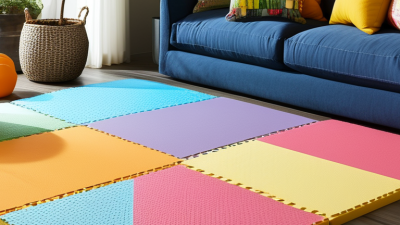
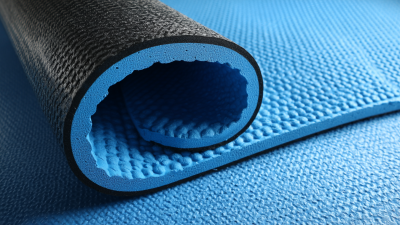
Check Material Quality, Safety, and Certifications

How to Choose the Best EVA Puzzle Mat in 2026

Check Material Quality, Safety, and Certifications

A puzzle mat should feel even underfoot, with edges that fit snugly and tiles that do not curl. Check the surface for cracks, oily residue, or uneven coloring. A strong chemical smell is worth investigating, but smell alone cannot confirm whether a mat is safe. Ask for material details and product-specific test information. A softer mat is not automatically a safer one; I would compare its firmness with the age and activity level of its users.

Tips: Request test reports that identify the exact product and model. Check what substances or emissions were tested, and whether the testing applies to the finished mat. Keep the packaging and care instructions.

Look for certifications from credible, independent organizations, and verify what each one covers. A certificate may apply to a factory or a limited test, not every safety concern. Names and requirements vary by market, so avoid treating one logo as a complete guarantee. If details are vague, contact the seller for the report or choose a product with clearer documentation. It can take extra time. That is still better than guessing. After unpacking, follow the maker’s ventilation and cleaning guidance, and inspect the seams again after several days of use.

Choose the Right Tile Size, Thickness, and Coverage

Measure the play area before buying tiles. A 2-by-2-foot tile covers four square feet, but leave room for door swings, furniture legs, and awkward corners. Calculate the usable floor area, then add a small allowance for trimming and future replacements. I would measure twice; rooms are rarely as square as they look. Smaller tiles fit around posts and narrow spaces, while larger tiles mean fewer seams to inspect.

Thickness should match the activity and the floor beneath it. A thin tile may suit gentle floor play, while jumping or balance exercises call for closer attention to the manufacturer’s impact-test results and the mat’s intended use. Thicker is not automatically safer: soft foam can compress, shift, or make standing less stable. Check how firmly the pieces lock together, and test a sample on the actual floor. It may still slide.

For coverage, map the full area where a child may land, not just the space under a play table. The U.S. Consumer Product Safety Commission’s Public Playground Safety Handbook recommends protective surfacing extending at least six feet around playground equipment; this is outdoor playground guidance, not a certification for home EVA mats. Use it as a reminder to allow a generous landing zone, then follow the mat maker’s tested-use limits. Keep seams away from high-traffic edges, and check them periodically.

Compare Surface Features, Durability, and Ease of Cleaning

How to Choose the Best Eva Puzzle Mat in 2026

An EVA puzzle mat’s surface affects grip, comfort, and cleanup. Look closely at the texture: fine embossing can help prevent slips, while deep grooves may trap crumbs and dust. Run your hand across a sample, if available. It should feel even, without sharp ridges or powdery residue. Small details matter.

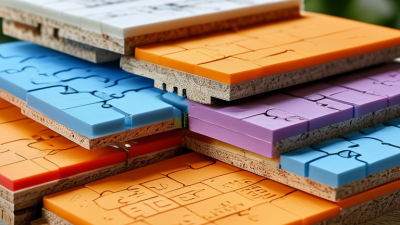
Durability depends on foam density, thickness, and how securely the tiles lock together. A very soft mat may feel comfortable underfoot but show dents beneath chair legs. A firmer surface may resist compression, yet feel less forgiving during floor play. Check product specifications and care guidance rather than judging thickness alone. Tile edges should align without noticeable gaps. They may shift over time.

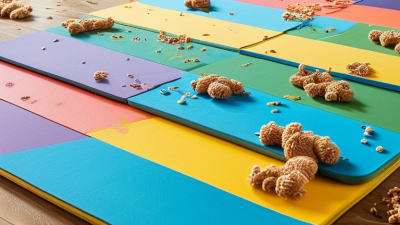
Cleaning should be simple enough for everyday use. For most mats, a damp cloth and mild soap are safer starting points than soaking or harsh cleaners; follow the maker’s instructions. Wipe between seams, where snack crumbs collect, and let tiles dry fully before stacking them. Not always easy. A textured finish can improve traction but take longer to wipe clean, so consider the room’s typical messes.

How to Choose the Best EVA Puzzle Mat in 2026 - Compare Surface Features, Durability, and Ease of Cleaning

Mat Style Surface Features Cushioning and Typical Use Durability Considerations Cleaning and Care Best Fit
Smooth, single-sided tiles Flat, non-porous-looking foam surface; usually simple in appearance. Cushioning varies by tile thickness and foam construction; commonly used for play areas and light floor protection. A smooth face is easy to inspect, but can show scratches or dents from sharp or heavy objects. Wipe with a damp cloth and mild soap; avoid soaking, harsh solvents, and excessive heat. Buyers who prioritize straightforward cleanup and a simple surface.
Embossed or textured tiles Raised patterns add surface texture; the feel and grip depend on the pattern and finish. Provides similar foam cushioning to other tiles of comparable construction; often selected for added surface traction. Patterned areas may make light wear less noticeable, while raised details can flatten or scuff with repeated use. Wipe regularly; dirt can collect in grooves, so use a soft brush if needed. Play or exercise spaces where a textured feel is preferred.
Reversible, dual-texture tiles Different finishes or patterns on the two faces allow the mat to be flipped. Cushioning depends on thickness and foam density, not simply on having two usable sides. Either face can be used, which may help distribute surface wear; tile edges and joints still need inspection. Clean both faces with a mild solution and let them dry fully before reassembly. Buyers who want a change of appearance or the option to rotate the wearing surface.
Thicker foam tiles Often available with smooth or textured finishes; thickness is listed in the product specifications. Generally offers more material between the user and the floor, but softness and support also depend on foam density and construction. May be better suited to routine floor use than very thin tiles, but heavy furniture and sharp loads can still leave permanent marks. The surface can usually be wiped; lift tiles periodically to check and dry the floor underneath. Users who want a more substantial cushioned layer; check the stated thickness and intended use.
Thin, lightweight tiles Usually easy to handle and store; surface finish varies by product. Provides a lighter layer of cushioning and is generally more appropriate for low-impact use than demanding workouts. Can be more likely to shift, curl, or show compression under frequent heavy use; fit and edge connection matter. Easy to lift for cleaning underneath; wipe the surface and dry it before putting it back. Temporary play areas, light-duty coverage, or spaces where portability matters.

Comparison note: EVA puzzle mats differ by formulation, thickness, density, surface finish, and edge design. Durability and grip are not standardized across products, so check the stated specifications and care instructions for the exact mat. Keep foam mats away from open flames and high heat, and do not use cleaning chemicals unless the manufacturer says they are suitable.

Evaluate Price, Warranty, and Long-Term Value

A low sticker price can hide costly gaps: thin tiles may compress under a desk, and missing edge pieces can leave an awkward border. Compare the total cost per usable square foot, including shipping, extra tiles, and replacement pieces. In 2026, check whether the warranty covers cracked or separated tiles, how long coverage lasts, and whether you pay return shipping. Read the exclusions. Small print matters.

The U.S. Bureau of Labor Statistics reported that the all-items Consumer Price Index rose 2.9% in the 12 months ending December 2024. That broad measure does not track EVA mats specifically, but it is a useful reminder to compare current quotes, not rely on old prices. For long-term value, ask for written care instructions and check whether routine cleaning affects coverage. A longer warranty is not automatically better if claims require difficult proof or exclude normal wear. I still find replacement costs easy to overlook. Before buying, measure the play area and keep one spare tile if the seller offers matching pieces; color batches can vary.