2026 How to Choose the Best Foam Play Mat for Kids?
When selecting a Foam Play Mat for children, expert insights are invaluable. Dr. Emily Carter, a pediatric safety specialist, emphasizes, "Choosing the right play surface can significantly affect a child’s development." Foam Play Mats come in various styles and materials, each with unique features.
Parents face many options. Some mats are thicker for better cushioning, while others emphasize colorful designs to stimulate imagination. "Not all mats are created equal," Dr. Carter notes. It's essential to consider durability and non-toxic materials to ensure child safety. You want a mat that will withstand active play and potential spills.
Choosing a Foam Play Mat requires careful thought. Noticing subtle differences can make a big impact. Consider your child’s age, activity level, and the play area’s size. Reflecting on these factors helps you pick a suitable mat. Ultimately, the right Foam Play Mat enriches playtime while ensuring safety and comfort.
Factors to Consider When Selecting a Foam Play Mat for Children
Selecting the right foam play mat for your children is crucial. Numerous factors affect the choice. Safety is paramount. Look for mats made from non-toxic materials and meet safety standards like ASTM or CPSIA. Reports indicate that over 30% of parents worry about toxic chemicals in children's products. Always check certifications.
Cleaning is another vital aspect. A mat that’s easy to wipe down reduces the risk of bacteria. Research shows that mats require regular cleaning to maintain hygiene. Consider a machine-washable option. This saves time and ensures a safe play environment for kids.
Consider the mat’s thickness and cushioning. A good mat should ease falls and provide comfort during play. Medium to high-density foam can absorb impact effectively, lowering injury risks. Experts recommend a thickness ranging from 0.5 to 1 inch for ideal protection.
Tips: Always test the firmness with your hand. A soft mat isn’t always safe. Also, check the texture for slip resistance. Kids love to crawl and run; a slip-resistant surface enhances safety significantly. Remember, the right play mat is an investment in their safety and joy.
Types of Foam Materials and Their Safety Ratings
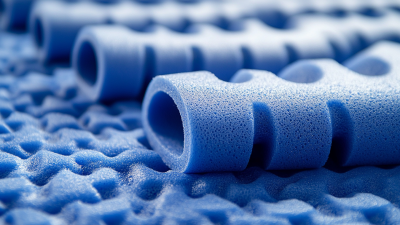
When choosing a foam play mat for kids, understanding the types of foam materials is crucial. The most common types include EVA foam, polyurethane foam, and polyethylene foam. Each has distinct safety ratings based on various factors, including toxicity and durability. According to the Consumer Product Safety Commission, EVA foam typically has the highest safety rating. This makes it an excellent choice for children, but parents should still verify certifications.
Polyurethane foam can be less safe. It may contain harmful chemicals such as toluene and formaldehyde. Although it offers comfort, concerns about chemical exposure often overshadow its benefits. Parents should weigh these risks when selecting materials. Studies indicate that approximately 15% of play mats sold are made from materials that can release harmful substances. This statistic emphasizes the need for careful selection.
Tip: Always look for mats labeled as non-toxic and free from phthalates. Such mats usually have a safer profile. Check for certifications from organizations like ASTM or CPSC to ensure compliance with safety standards.
Another critical point is maintenance. Regular cleaning can reduce health risks associated with bacteria and allergens. Non-porous surfaces are easier to wipe down. They tend to stay cleaner than porous materials. However, more durable options, while safer, may carry a higher price point. Balancing safety and budget requires thoughtful consideration.
Size and Thickness Options for Different Play Areas
Choosing the right foam play mat for your kids involves understanding size and thickness options. Different play areas have unique requirements. For smaller rooms, a thinner mat can save space while still providing a cushioned play area. Mats that are an inch thick offer excellent shock absorption. They are perfect for energetic toddlers who tend to fall during play.
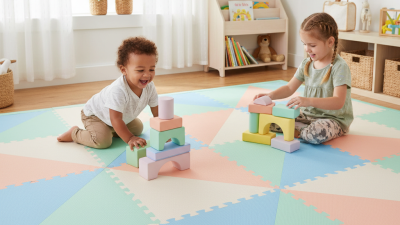
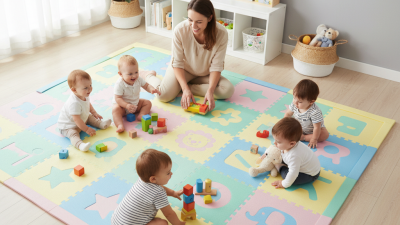
Consider the size of your play area. A larger mat is ideal for open spaces, allowing multiple children to play together comfortably. However, larger mats may not fit in smaller rooms. Think about the room's layout. Measure the space before making a decision. You want to ensure the mat fits well without overcrowding the room.
Thickness also impacts safety. Thicker mats provide more cushioning for falls. However, they can be bulky and may be challenging to store. Balance is key. Not all kids will need the thickest option. Moreover, some mats are easier to clean than others. Check materials and textures, as this can affect maintenance. It's essential to reflect on your specific needs and preferences before choosing.
Texture and Design Variations to Enhance Play Experience
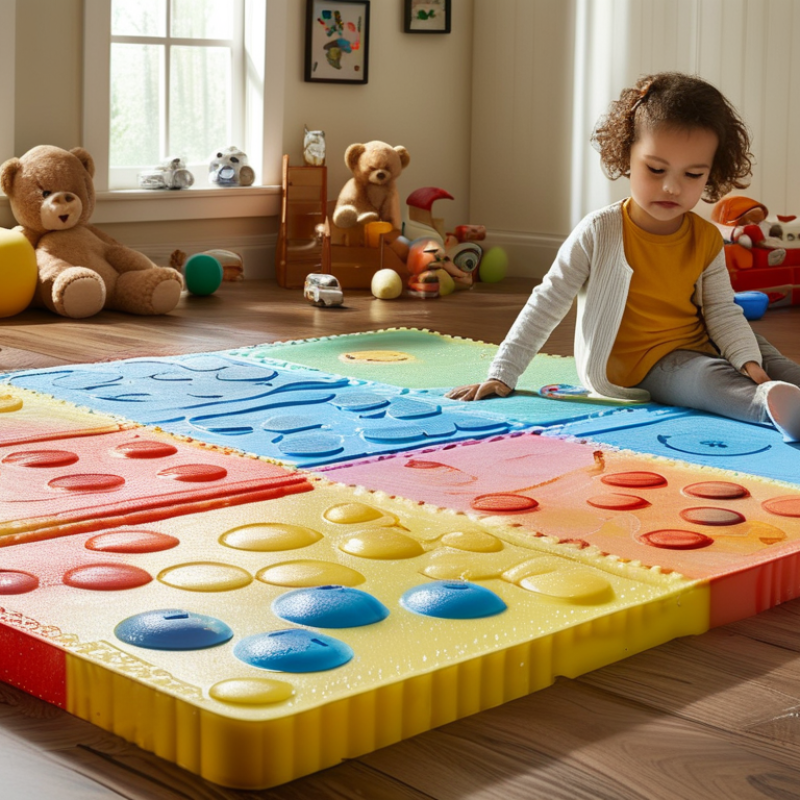
When choosing a foam play mat for kids, texture and design play crucial roles. Different textures stimulate sensory development. A mat with a varied surface can engage little ones during playtime. Smooth areas are great for rolling, while ridged surfaces can enhance grip. These little details can make a significant difference in your child's play experience.
Design variations also matter. Bright colors and playful patterns attract children's attention. A visually appealing mat encourages exploration and imaginative play. Look for themes that resonate with your child's interests, like animals or outer space. However, finding the right balance is key. Too many colors or busy patterns can be overwhelming. Simplicity can foster focus, but too plain may not inspire creativity.
Parents should observe how their kids interact with different mats. The choice isn't just about aesthetics; it's an experience. Children often show preferences that highlight sensory needs. Watch them play and reflect on what they enjoy most. This feedback can guide future purchases. Selecting the right mat involves careful thought and consideration, ensuring it enriches your child's development.
Maintenance and Cleaning Practices for Foam Play Mats
When it comes to maintaining foam play mats for kids, it’s essential to take a proactive approach. Regular cleaning helps eliminate dirt and bacteria. Start by vacuuming the mats to remove loose debris. This simple step ensures a clean surface for play.
For deeper cleaning, a mild soap and warm water solution works wonders. You can use a soft cloth to wipe down the surface. Rinse the cloth frequently to avoid spreading dirt. This method is effective yet gentle, preserving the mat's material. If stains persist, a gentle brush might be needed.
Allow the mats to air dry completely. Avoid intense heat sources that could warp the foam. A well-maintained mat not only looks better but also provides a safer play area. Reflect on your cleaning routine and consider adjusting it based on usage. From spills to everyday dirt, staying attentive is key.