Top Tips for Choosing the Best Rubber Yoga Mat?
The popularity of Rubber Yoga Mats has surged in recent years, with more practitioners seeking quality and sustainability in their yoga gear. According to a report by IBISWorld, the yoga mat industry is expected to grow by over 5% annually. This indicates a rising demand, highlighting the importance of choosing the right mat. Expert and yoga instructor Dr. Emily Chen states, "A reliable Rubber Yoga Mat balances comfort, grip, and eco-friendliness."
When selecting the best Rubber Yoga Mat, various factors come into play. Durability, thickness, and texture significantly impact your practice. Many users inadvertently overlook the importance of grip—a crucial element ensuring safety during poses. Additionally, the mat's environmental impact is gaining attention, as consumers opt for sustainable options.
While there are many choices available, not all mats meet personal preferences. Some practitioners have reported challenges with mats that wear quickly or lack sufficient support. Evaluating a Rubber Yoga Mat's features thoroughly can lead to a more satisfying experience on the mat. Balancing personal needs with quality aspects is essential for any yoga enthusiast.
Understanding the Importance of Choosing the Right Yoga Mat
Choosing the right yoga mat is crucial for your practice. A quality mat can enhance comfort, stability, and overall enjoyment during your workouts. Rubber mats are popular due to their natural grip and cushioning. They provide stability for standing poses and enough support for seated stretches. However, not every rubber mat is ideal for all practitioners.
When selecting a yoga mat, consider your preferences and needs. Are you a beginner or an advanced yogi? Do you practice hot yoga or gentle restorative poses? The texture and thickness of the mat can significantly affect your performance. Many mats vary in density, impacting their portability and durability. Pay attention to how the mat feels under your body. Too firm can be uncomfortable, while too soft may lack support.
Reflection is important in this process. Evaluate your current mat's performance. Does it slip during poses? Is it easy to clean? These are common concerns that many yogis face. Find a mat that aligns with your practice style and physical needs. This way, you can cultivate a deeper connection to your yoga journey. Focus on your experience and be mindful of the changes a good mat can bring.
Key Materials Used in Rubber Yoga Mats and Their Benefits
When selecting a rubber yoga mat, understanding the key materials is crucial. Natural rubber is a popular choice. It offers excellent grip and durability. The texture improves traction during poses, ensuring stability. However, not all rubber mats are the same. It’s essential to check for certifications that ensure they are free from harmful chemicals.
Another material to consider is eco-friendly synthetic rubber. It provides a good balance of cushioning and support. This type of mat is often lighter, making it easier to carry. However, it might not provide the same level of grip as natural rubber. Always consider whether the mat's texture fits your practice style.
Here are some tips: Look for a mat with a thickness that suits your practice. Thicker mats offer more cushioning but may lack stability. If you sweat a lot, a textured surface can help prevent slipping. Don’t forget about the mat's weight; you’ll want something portable. Finally, think about how it feels underfoot. This detail can make a significant difference in your practice.
Evaluating Thickness and Density for Optimal Comfort and Support
Choosing the right rubber yoga mat is crucial for your practice. Evaluating thickness and density helps in attaining optimal comfort and support. A mat that is too thin may not provide adequate cushioning for your joints. Conversely, one that is overly thick can lead to instability, making balance poses difficult. Aim for a mat that strikes a balance between cushioning and support.
When it comes to thickness, a standard range is between 4mm and 6mm. A 6mm mat offers more cushioning but may feel slippery. A 4mm mat is firmer, enhancing balance in challenging poses. Consider your body type and practice style. Heavier individuals might benefit more from extra thickness, while lighter users may prefer a thinner option for better ground connection.
Density is also key. A denser mat provides durability and better grip, enhancing your stability during poses. Be aware that some mats may compress over time, losing their supportive qualities. Regularly checking your mat for wear can ensure continued performance. Don't hesitate to try different mats. What works for one may not feel right for another. Listen to your body and adjust your choices accordingly.
Rubber Yoga Mat Thickness and Density Evaluation
This chart displays the density of rubber yoga mats in relation to their thickness. Choosing the optimal thickness and ensuring adequate density can greatly enhance the comfort and support provided during yoga practice.
Examining Texture and Grip for Enhanced Stability During Practice
Choosing the right rubber yoga mat is essential for enhancing stability during practice. Texture and grip play vital roles in ensuring safety and comfort. A mat with a textured surface can prevent slipping, especially during dynamic poses. According to a report by the Yoga Alliance, over 80% of practitioners highlight grip as a primary factor in their mat choice.
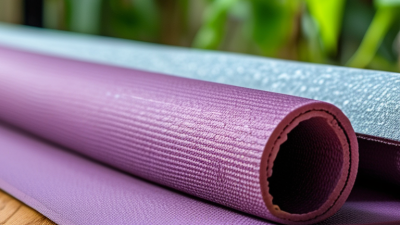
For example, mats with a dimpled or raised texture can provide better traction. In contrast, smooth mats tend to be less secure, particularly in sweaty conditions. Utilizing a mat that blends rubber with natural fibers can also improve grip. However, these mats may require regular cleaning to maintain their effectiveness, as dirt can compromise texture.
It's also important to consider the mat's thickness. While thicker mats may offer more cushioning, they might hinder stability during balancing poses. A balance between comfort and grip is crucial. Professionals recommend a thickness of around 4-5mm for general practice, as it provides enough support without sacrificing control. Each choice carries its own trade-offs. Consider your practice style and environment carefully.
Top Tips for Choosing the Best Rubber Yoga Mat
| Feature |
Description |
Importance |
| Material Quality |
Look for non-toxic, eco-friendly natural rubber. |
High-quality materials prevent slipping and discomfort. |
| Texture |
Choose a surface that offers a good balance of cushion and grip. |
Texture affects stability and comfort during practice. |
| Thickness |
Standard thickness ranges from 3mm to 6mm. |
Thickness influences cushioning and support for joints. |
| Weight |
Consider how portable you need your mat to be. |
Weight impacts convenience for transport and travel. |
| Durability |
Check for resistance to wear and tear over time. |
Durable mats last longer, saving money in the long run. |
| Price |
Prices can vary widely; find one that fits your budget. |
Balance between cost and quality for best value. |
Assessing Eco-Friendliness and Sustainability of Rubber Yoga Mats
When choosing a rubber yoga mat, eco-friendliness and sustainability are crucial. Natural rubber is
derived from rubber trees, making it biodegradable. This advantage sets it apart from synthetic options,
which often pollute the environment. However, the sourcing of rubber can pose ethical questions.
Some suppliers may exploit communities or fail to practice sustainable harvesting. Researching the brand’s practices is essential.
Look for mats certified by recognized organizations. These certifications ensure that the production
process adheres to environmental and ethical standards. Also, consider the durability of the mat. A
longer-lasting mat reduces waste, contributing to sustainability efforts. But calling any mat “eco-friendly”
without details is misleading. Scrutinizing product claims matters.
Inspect for added chemicals. Some mats contain harmful substances, which can negate their eco-friendly
status. Even with rubber, processing methods can introduce unwanted elements. Not all mats are created equal.
It’s a challenge to find a truly sustainable option.
Balance is key—strive for a mat that meets your performance needs while being mindful of the planet.
The journey toward eco-conscious choices involves questioning and reflecting on what we buy.