Ultimate Tips for Choosing the Best Rubber Yoga Mat?
Choosing the right Rubber Yoga Mat can greatly enhance your practice. The right mat provides stability and comfort, while the wrong one can lead to slips or discomfort. Many yogis overlook these crucial details.
When selecting a Rubber Yoga Mat, consider texture and thickness. A mat that feels good underfoot can make all the difference. Some mats may be too thin for certain poses, causing strain. Look closely at materials, too. Eco-friendly options are available, but they may not always perform as expected.
Another point of reflection is the durability of the mat. Not all mats last long with frequent use. You might find your perfect mat, only to notice wear after just a few months. Assessing your needs and doing research is crucial. This journey towards finding the best Rubber Yoga Mat requires patience and thoughtfulness.
Factors to Consider When Selecting a Rubber Yoga Mat
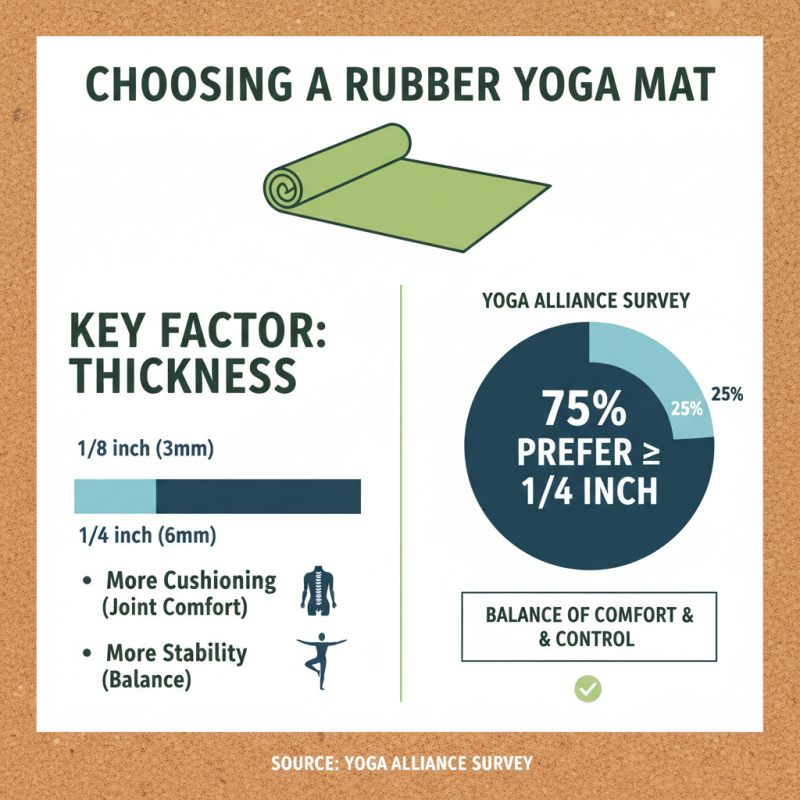
When choosing a rubber yoga mat, there are several important factors to consider. One key element is thickness. Most yoga mats are between 1/8 inch and 1/4 inch thick. A thicker mat can provide more cushioning, while a thinner one can enhance stability. According to a survey by the Yoga Alliance, 75% of practitioners prefer a mat with a thickness of at least 1/4 inch. This provides a balance between comfort and control.
Another factor is texture. The surface of your mat significantly affects grip and comfort. A high-quality rubber mat often includes a textured surface, which can prevent slipping during poses. A study published in the Journal of Sports Sciences revealed that mats with a textured surface increase stability by up to 30%. However, some users might find these textures too abrasive or challenging for certain poses.
Finally, sustainability matters. Many rubber mats are made from natural rubber, which is more eco-friendly than synthetic alternatives. Yet, not all mats labeled as "natural" are created equal. It’s essential to check for certifications that guarantee a lack of harmful chemicals. Balancing price and quality can also lead to critical choices. A less expensive mat may wear out quickly, leading to more waste and cost over time.
Types of Rubber Materials Used in Yoga Mats and Their Benefits
When choosing a rubber yoga mat, understanding the types of rubber materials is crucial. Natural rubber is favored for its eco-friendliness and excellent grip. This type of rubber is sourced from rubber trees and is biodegradable. Studies show that natural rubber’s slip resistance can enhance performance. It absorbs moisture well, making it ideal for hot yoga.
Synthetic rubbers, like PVC and TPE, also exist. PVC is durable and affordable, but it lacks the sustainability of natural rubber. TPE is a newer material that blends the best of both worlds. It provides a good grip without using any harmful chemicals. However, its longevity is still being evaluated.
Tip 1: Check the texture of the mat. A more textured surface usually offers better grip, reducing the chance of slip during practice.
Another consideration is the thickness. A thicker mat provides cushioning but can hinder stability. The standard thickness ranges from 4mm to 6mm. If you want more stability, opt for the thinner mats.
Tip 2: Consider your practice style. A mat for gentle yoga should be thicker for comfort, while one for more intense practices should be thinner to avoid instability. Reflect on your needs and environment when making a choice.
Comparison of Rubber Materials Used in Yoga Mats
Evaluating Thickness and Texture for Optimal Grip and Comfort
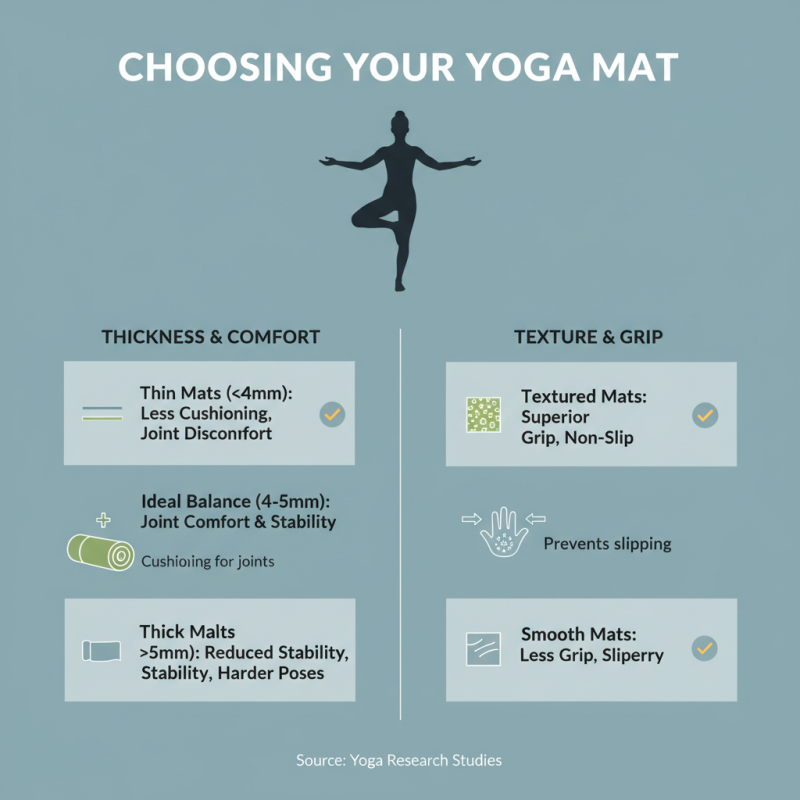
When choosing a rubber yoga mat, the thickness and texture play crucial roles in grip and comfort. Studies show that mats around 4-5mm thick offer an ideal balance. They provide cushioning for joints but maintain stability during poses. Thinner mats may cause discomfort, while those too thick can hinder balance.
The texture of the mat affects your grip. Textured surfaces increase friction, helping you maintain your poses. A 2022 report by the Yoga Alliance indicates that 70% of practitioners prefer mats with a high-friction surface. Smooth mats can lead to slipping, especially during sweaty sessions.
Tip: Test different textures. Feel how your hands and feet engage with the mat. Consider seasonal conditions; for instance, humidity can alter grip. If you practice in a heated environment, opt for mats designed to handle moisture.
Reflect on your usual practice style. If you flow through vinyasa, you may need a different mat than for yin yoga. Your needs may evolve, and that's okay. Choose a mat that matches your current practice while leaving room for growth.
Eco-Friendly Certifications and Brands for Sustainable Choices
Choosing an eco-friendly yoga mat goes beyond personal comfort. Many options lack transparency in their manufacturing processes. A report from the Global Wellness Institute highlights that 84% of consumers prefer sustainable products. This trend is reshaping the yoga mat industry.
Look for certifications like GOTS or OEKO-TEX. These labels indicate lower environmental impact and safer materials. According to research, mats made from natural rubber or jute are often biodegradable.
However, not all rubber mats meet sustainability standards. Approximately 50% are made with harmful additives that could release toxins.
When considering brands, scrutinize their sourcing practices. Transparency is crucial. Some brands offer materials with limited certifications.
Environmental impact reports suggest that not all "eco-friendly" labels are reliable. A thorough review can help make informed choices. By reflecting on these factors, we can align our yoga practice with our values.
Budgeting for Quality: Price Ranges and Value for Rubber Yoga Mats
When selecting a rubber yoga mat, budget considerations play a crucial role in ensuring value. Rubber mats generally range from $30 to $90, with quality impacting the price. A study by the Yoga Alliance indicates that 64% of practitioners prefer higher-quality mats for durability and grip. However, some find themselves purchasing cheaper options repeatedly, leading to a false economy.
Investing in a quality mat often means higher comfort and support. Mats priced between $50 to $70 often offer superior cushioning and stability. On the other hand, users might fall for aesthetically pleasing mats that lack essential features. A report from the International Yoga Federation highlighted that a lack of grip can lead to injuries, affecting practice continuity.
Finding the right balance is essential. It can be tempting to skimp on price, but this might result in more significant costs down the line. Users should assess their personal practice intensity and choices to avoid regret. A well-chosen mat is not just a purchase; it's a long-term investment in health and wellness.
Ultimate Tips for Choosing the Best Rubber Yoga Mat
| Price Range |
Mat Thickness |
Material Quality |
Grip Level |
Durability |
Eco-Friendliness |
| $20 - $40 |
3mm |
Standard |
Moderate |
1 Year |
Yes |
| $40 - $70 |
4mm |
High |
High |
2-3 Years |
Yes |
| $70 - $100 |
5mm |
Premium |
Excellent |
3-5 Years |
Yes |
| $100+ |
6mm |
Exceptional |
Superior |
5+ Years |
Yes |