Top Foam Play Mat Options for Safe and Fun Playtime?
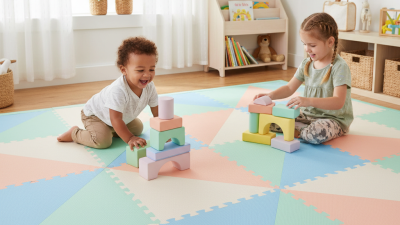
When it comes to safe and enjoyable play for children, a high-quality Foam Play Mat can make all the difference. Dr. Emily Carter, a renowned child development expert, emphasizes, "A proper play environment is crucial for a child's growth." Investing in a good Foam Play Mat not only provides comfort but also ensures safety during playtime.
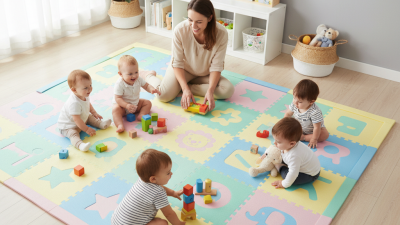
Choosing the right Foam Play Mat is about more than just aesthetics. Parents often overlook factors like materials and thickness. This oversight can lead to potential hazards. A dense Foam Play Mat can cushion falls effectively, reducing the risk of injury. Vibrant colors and playful designs can entice children to explore and engage.
However, not all Foam Play Mats are created equal. Some may contain harmful chemicals or wear down quickly. It’s essential to select mats that are free from toxic substances. The right choice can foster creativity while providing a secure play area. Mistakes can happen, but with careful research, parents can find the ideal Foam Play Mat that balances safety and fun.
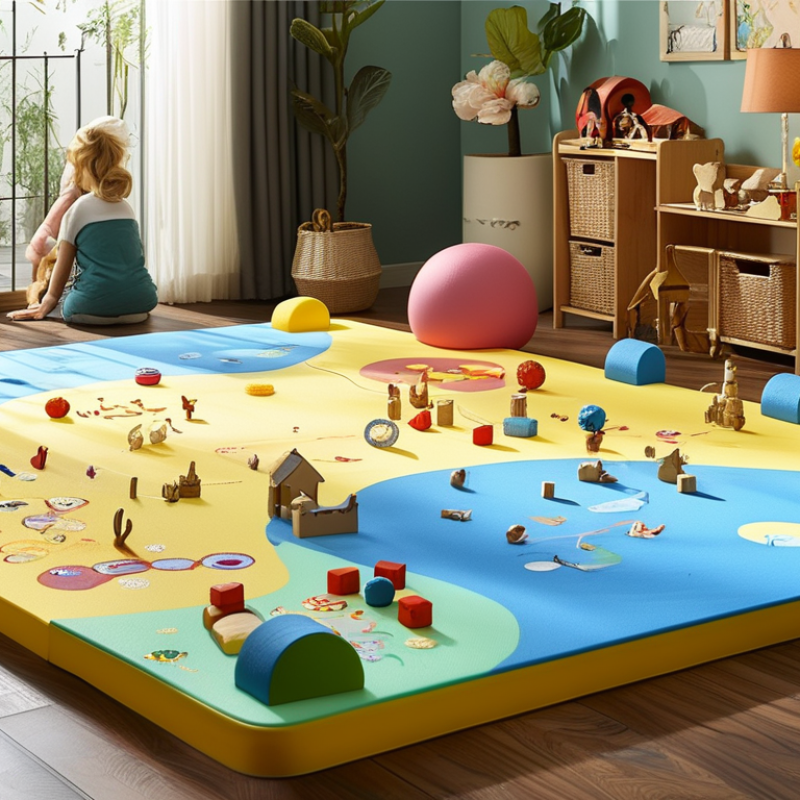
Popular Materials Used in Foam Play Mats for Safety and Comfort
When selecting foam play mats, safety and comfort are pivotal considerations. Common materials include EVA foam, which is lightweight and durable. EVA is known for its resistance to wear and tear, making it ideal for active play. Parents often appreciate the cushioning it provides, reducing the risk of injury during falls. However, it’s essential to check for any harmful chemicals. Not all EVA foams are created equal, so scrutinizing product safety information is vital.
Another popular option is natural rubber. This material is eco-friendly and offers excellent traction. However, some may find it heavier and less portable. On the comfort side, rubber typically provides increased cushioning. It can be a great choice for toddlers who are learning to walk. Still, keep in mind rubber may emit an odor initially, which could be off-putting for some families.
Lastly, there are polyurethane foams. These mats can be softer and provide a plush feel. They are often used in play areas where comfort is a priority. Yet, they may not be as durable in comparison to EVA. Consistent wear and tear might lead parents to reassess their choices over time. Balancing safety, comfort, and durability is key in finding the best foam mat for your child's playtime.
Key Features to Consider When Choosing a Foam Play Mat
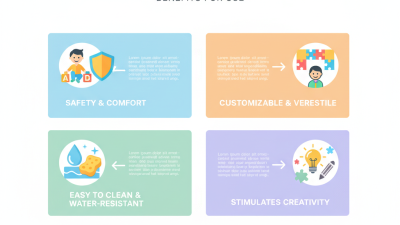
When choosing a foam play mat, several key features should be prioritized. Safety is paramount. Look for non-toxic materials that pass safety standards. It’s crucial for a mat to be soft yet durable. A thicker mat can provide better cushioning, reducing the risk of injury during play.
Consider the size and portability of the mat. Large sizes offer expansive play areas for little ones. However, if space is limited, a more compact option may be practical. An easy-to-clean surface is another important factor. Look for mats that can be wiped down quickly. This can save time during busy days.
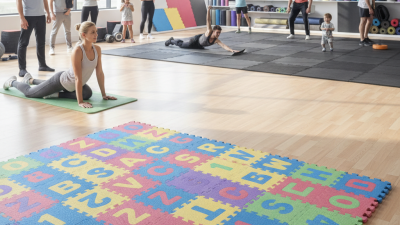
Texture can greatly enhance playtime experiences. A textured surface provides better grip, allowing children to move freely. Some mats come with colorful and engaging designs, keeping kids entertained. Remember, while looks matter, functionality should not be compromised. Balancing aesthetics with practical needs can be challenging but essential for a safe play environment.
Top Foam Play Mat Options for Safe and Fun Playtime
Top Brands and Their Best Foam Play Mat Products
When choosing foam play mats, several brands stand out for their quality and safety. The development of a child's play area is crucial for early growth. The right play mat can foster creativity and movement while ensuring safety against falls. Research indicates that over 90% of parents prioritize non-toxic materials when selecting these products. This reflects a growing awareness of the importance of safe play environments.
One notable characteristic of top brands is their focus on durability. Many mats feature high-density foam, providing both comfort and support during playtime. Industry studies reveal that thicker mats can reduce the risk of injury during active play. Additionally, easy-to-clean surfaces are essential for maintaining hygiene, as children often explore their surroundings with their mouths.
Parents often look for mats that combine functionality with appealing designs. Colorful, engaging patterns stimulate visual development. Yet, not all mats are created equal. Some may lose shape over time, leading to uneven surfaces that could pose risks. This inconsistency in product performance highlights the need for informed choices.
Cleaning and Maintenance Tips for Foam Play Mats
Foam play mats are excellent for creating a safe space for children. However, they can also gather dirt and bacteria over time, making cleaning essential. Use a gentle soap and warm water solution. Dip a soft cloth into the mixture and wipe the mat thoroughly. A quick clean after each use can help maintain hygiene.
For deeper cleaning, consider using a vacuum cleaner to remove debris. Spot-clean stains promptly with vinegar or baking soda. This method is effective and minimizes the use of harsh chemicals. Lay the mat flat and let it air dry to prevent moisture buildup. Avoid direct sunlight; it can fade colors or warp the mat's shape.
Storage is another crucial aspect of maintenance. Roll the mat gently, avoiding sharp bends. Store it in a cool, dry place to prevent mold growth. Regular inspection for wear and tear is wise. If the surface becomes too damaged, it might be time to replace it. Taking these steps can ensure that playtime remains both fun and safe.
Safety Standards and Certifications for Foam Play Mats
When selecting foam play mats, it's crucial to prioritize safety. Many mats are made from materials that are free from harmful chemicals. A report by the Consumer Product Safety Commission highlights that children’s play areas should comply with strict safety standards like ASTM F963, which ensures non-toxic materials are used. Additionally, testing for phthalates and formaldehyde levels is common in high-quality mats. This helps protect children from respiratory issues and allergies.
Certifications can provide peace of mind to parents. Look for mats that carry the Greenguard Gold certification, indicating low chemical emissions. A survey by the American Academy of Pediatrics emphasized the importance of ensuring that play areas are safe and conducive to healthy development. Regularly checking for wear and tear is also important. Even certified products can degrade over time, possibly exposing children to hazards.
Visual inspection is one way to gauge safety. Look for visible defects such as cracks or tears. A mat that seems perfect may not be safe after prolonged use. It's essential to develop a mindfulness about the materials and their longevity. Parents should stay informed and periodically revisit standards from reliable sources to ensure that play environments remain safe and enjoyable for children.
Top Foam Play Mat Options for Safe and Fun Playtime
| Product Name |
Material |
Safety Certification |
Dimensions (inches) |
Thickness (inches) |
Recommended Age |
| PlayMat A |
EVA Foam |
ASTM F963 |
60 x 60 |
0.5 |
0-5 years |
| PlayMat B |
Polypropylene |
CPSIA |
72 x 72 |
0.75 |
0-6 years |
| PlayMat C |
PVC Free Foam |
EN 71 |
48 x 48 |
1 |
0-4 years |
| PlayMat D |
Natural Rubber |
Oeko-Tex Standard 100 |
60 x 36 |
0.5 |
0-3 years |