Leave Your Message
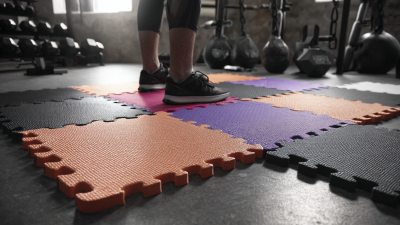
Choosing the right Gym Flooring Mats can shape how safely and comfortably a facility operates. The surface affects traction, impact absorption, noise, cleaning routines, and equipment stability. A weight room needs different protection from a yoga studio or functional training zone. The best choice begins with understanding how each area is used.
Facility managers should examine flooring thickness, density, material, seam design, and maintenance requirements. Rubber mats often suit strength areas because they resist heavy loads and reduce equipment noise. Softer foam may support stretching spaces, but it can compress under racks or repeated foot traffic. Measure the available area carefully. Small gaps can collect dust, moisture, and unpleasant odors.
Performance matters more than appearance.
Real-world testing is valuable. Place a sample beneath a dumbbell rack, walk across it with training shoes, and inspect its movement after several sessions. Check whether the surface remains stable during sled work, jumps, or sudden changes of direction. Ask suppliers for product specifications, cleaning guidance, warranty terms, and relevant safety documentation. Experienced installers can also identify subfloor problems before mats are placed.
There is no perfect solution for every facility. I have seen attractive mats fail because their edges curled near a busy entrance. A thicker product is not automatically better, either. It may create awkward transitions or increase installation costs. Consider user comfort, budget, ventilation, drainage, and long-term replacement needs. A careful decision balances measurable performance with the daily realities of staff and members.
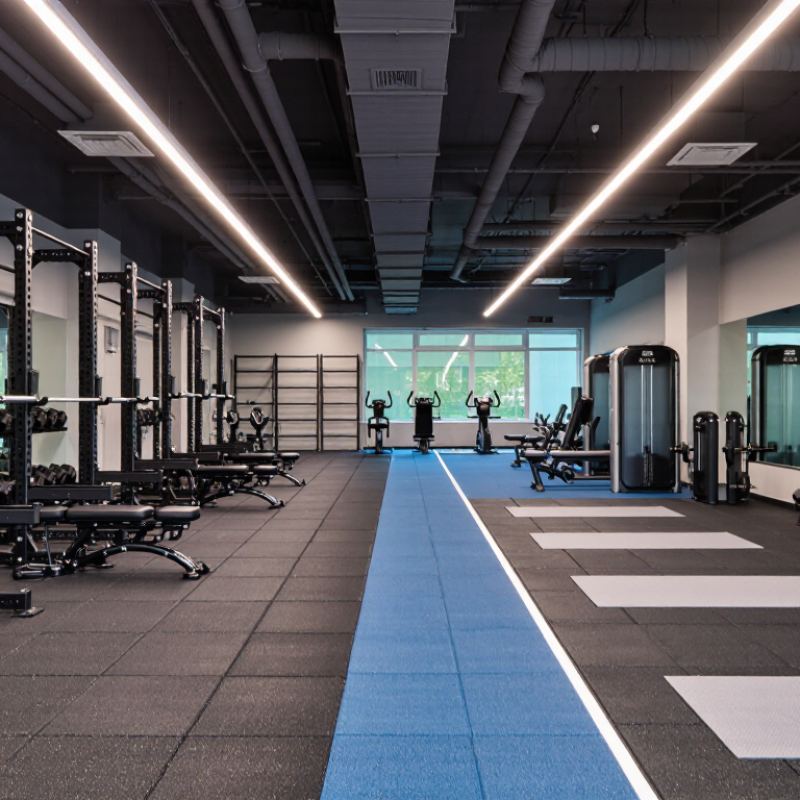
Choosing gym flooring mats starts with understanding how your facility will actually operate. A weight room needs dense, impact-resistant mats for dropped barbells and heavy racks. A stretching area needs softer support and better comfort under bare feet. High-traffic entrances also require surfaces that resist moisture, dirt, and repeated cleaning.
Measure each zone before comparing flooring materials. Note the equipment weight, training style, noise level, and available maintenance time. Thick rubber may reduce vibration, but it can create awkward transitions near doors. Interlocking mats install quickly, yet loose edges may become a trip risk if the subfloor is uneven. A perfectly uniform surface sounds ideal, but it can be a mistake. Different activities often need different flooring performance.
Tips: Check the subfloor first. Remove dust and repair cracks. Leave enough clearance around racks and lifting platforms. Ask staff to test sample mats during busy hours. Watch for sliding, odor, cleaning difficulty, and uncomfortable seams. Keep written records of cleaning products and inspection dates. Small details matter. Reconsider your choice if installation depends on ideal conditions; real facilities rarely stay perfect.
| Facility Area | Primary Flooring Requirements | Recommended Mat Type | Typical Thickness | Impact and Load Demand | Surface Characteristics | Maintenance Considerations |
|---|---|---|---|---|---|---|
| Free-Weight Area | Protect the subfloor from dropped weights, reduce vibration, and support stable lifting. | High-density rubber tiles or interlocking rubber mats | 15–30 mm | Very high impact; suitable for heavy dumbbells, barbells, and racks. | Dense, slip-resistant, resilient, and capable of absorbing shock. | Sweep or vacuum regularly; damp-mop with a neutral cleaner and allow to dry. |
| Functional Training Zone | Provide traction for dynamic movement while absorbing moderate impact from equipment and exercises. | Rubber rolls or multi-purpose rubber tiles | 8–15 mm | Moderate to high impact from kettlebells, sleds, and bodyweight training. | Firm underfoot, stable during lateral movement, and resistant to abrasion. | Clean high-traffic paths frequently and inspect seams or edges for lifting. |
| Cardio Equipment Area | Handle continuous foot traffic, equipment vibration, and occasional perspiration without becoming slippery. | Commercial rubber rolls or dense rubber tiles | 6–10 mm | Moderate impact with concentrated loads beneath machines. | Low-profile, durable, slip-resistant, and easy to clean around equipment bases. | Use routine mopping; keep moisture from collecting beneath machines. |
| Group Exercise Studio | Balance comfort, traction, hygiene, and support for repeated stepping and floor-based movements. | Cushioned rubber flooring or resilient fitness flooring | 6–12 mm | Moderate impact from aerobics, circuits, and light equipment. | Comfortable, resilient, non-glare, and sufficiently slip-resistant. | Disinfect high-touch areas according to the flooring manufacturer’s care instructions. |
| Stretching and Yoga Area | Offer a comfortable, stable, and clean surface for barefoot use and prolonged floor contact. | Low-odor rubber flooring or resilient cushioned flooring | 6–10 mm | Low to moderate impact; comfort is more important than drop protection. | Comfortable, smooth enough for cleaning, and stable during static poses. | Use low-residue cleaning products and maintain good ventilation during initial installation. |
| Indoor Turf and Sled Track | Resist abrasion from sleds, support directional movement, and tolerate repeated heavy use. | Commercial synthetic turf with a stable backing system | 15–25 mm | High abrasion and shear forces from sleds, tires, and agility drills. | Consistent pile height, secure seams, and sufficient traction for athletic movement. | Vacuum or brush regularly; remove grit that can wear the fibers and backing. |
| Martial Arts and Combat Area | Reduce injury risk during falls, provide controlled traction, and maintain a level training surface. | Closed-cell foam training mats with securely joined edges | 20–40 mm | High fall impact; cushioning and seam stability are essential. | Resilient, supportive, non-abrasive, and firm enough for controlled footwork. | Disinfect regularly, dry thoroughly, and check seams before every class. |
| Locker Room and Wet-Access Area | Provide drainage, slip resistance, moisture tolerance, and easy sanitation. | Water-resistant rubber flooring with textured drainage capability | 6–12 mm | Low impact but high exposure to water, cleaning chemicals, and foot traffic. | Textured, slip-resistant, moisture-tolerant, and resistant to microbial growth when properly maintained. | Remove standing water promptly and follow a scheduled sanitation program. |